
Sangti Valley (Sangti)
Updated 2026Winter Sanctuary of the Black-Necked Crane & Monpa Orchard Valley
| Category | Detail |
|---|---|
| Altitude / Elevation | 1,500 – 1,800 m (4,920 – 5,905 ft) |
| Atm Availability | No ATMs in valley (Nearest in Dirang, 14 km / Bomdila, 55 km) |
| Best Time to Visit | October to April (Cranes: Nov–Feb) |
| Coordinates | 27.3496° N, 92.3055° E |
| Crane Viewing Buffer | Strict 150-meter buffer, no drones permitted |
| Drive From Dirang | 14 km (30–45 minutes via Sangti Road) |
| Distance from Guwahati | 385 km (8.5–10 hours via NH13/Bhalukpong) |
| Permit Requirement | Yes (Inner Line Permit for Arunachal Pradesh) |
| Mobile Network | BSNL 2G/3G in upper hamlets; Jio/Airtel unavailable in basin |
| Rainfall | 1,500–2,200 mm annually (Monsoon: Jun–Sep) |
| Temperature Range | -2°C to 24°C (Winter: -2°C to 14°C) |
Sangti Valley (Sangti) is an alpine valley in West Kameng District, Arunachal Pradesh, situated at an altitude of 1,500 to 1,800 meters (4,920 to 5,905 feet) above sea level. Located 14 km west of Dirang and 385 km from Guwahati, it is celebrated as one of India's rare wintering grounds for the vulnerable black-necked crane, surrounded by organic kiwi orchards and traditional Monpa hamlets.
The sharp morning air carries the scent of burning juniper needles and drying persimmons from village hearths, mingling with the icy roar of the Sangti Chu river. Across silver-frosted paddy stubble, the resonant bugle of wintering black-necked cranes echoes against forested blue-pine ridges, accompanied by the distant rhythmic hum of water-turned prayer wheels.
Inner Line Permit (ILP) is mandatory for all domestic Indian citizens entering Arunachal Pradesh (apply online at eilp.arunachal.gov.in or arunachalilp.com; fee: ₹300 up to 3 days, ₹500 beyond 3 days up to 14 days). Foreign nationals require a Protected Area Permit (PAP, US$ 50) issued through authorized tour operators or the State Home Department (minimum 2 persons, 30 days validity). Permits are verified at the Bhalukpong Border Checkpost.
Geography, Topography & The Sangti Chu Basin
Sangti Valley is situated in the West Kameng District of western Arunachal Pradesh, positioned in a sheltered Himalayan river basin at an altitude ranging between 1,500 meters and 1,800 meters (4,920 to 5,905 feet) above sea level. Located approximately 14 km west of Dirang town and 385 km from Guwahati, the valley is carved by the crystalline waters of the Sangti Chu River, a major feeder tributary of the Kameng River (known as the Jia Bhareli once it enters Assam). Unlike the narrow, precipitous gorges typical of upper Arunachal Pradesh, Sangti unfolds as an expansive, fertile alpine basin characterized by broad alluvial floodplains, gentle river terraces, and rolling foothills blanketed by dense Eastern Himalayan blue pine (Pinus wallichiana), temperate oak, and wild rhododendron forests. The basin is encircled by snow-dusted ridges that shield the valley floor from harsh northern winds, creating a unique temperate microclimate conducive to both settled indigenous agriculture and winter avian refuge.
Winter Sanctuary of the Black-Necked Crane (Thrung Trung Karmo)
The ecological significance of Sangti Valley centers upon its role as one of the few confirmed, accessible wintering grounds in India for the globally vulnerable black-necked crane (Grus nigricollis). Known locally in the Monpa language as Thrung Trung Karmo, these magnificent high-altitude birds make an annual trans-Himalayan migration from their summer breeding grounds on the high Tibetan Plateau (such as Lake Mansarovar and the Qinghai-Tibet wetlands). The first flocks typically arrive in late November or early December, remaining in the valley through late February or early March before the spring thaw prompts their return northward over the Great Himalayan Range.
In indigenous Monpa cosmology and Tibetan Buddhist folklore, the black-necked crane is revered as a sacred messenger of good harvest and spiritual fortune. The birds share an intimate theological connection with the Sixth Dalai Lama, Tsangyang Gyatso, who was born in the neighboring Monpa heartland of Urgelling near Tawang and composed immortal verses dedicated to the crane's graceful flight. During winter, the cranes forage for left-over grain across harvested wet-paddy fields and probe the shallow gravel islands of the Sangti Chu for aquatic tubers and small invertebrates. Nezo Tours strictly enforces a 150-meter non-intrusive observation perimeter; drone operations are strictly prohibited across the valley floor to protect these sensitive migratory visitors from stress.
Indigenous Monpa Heritage, Architecture & Sacred Traditions
Sangti Valley is inhabited by the Monpa tribe, one of the principal indigenous communities of Arunachal Pradesh, whose cultural identity is deeply intertwined with Gelug and Nyingma traditions of Mahayana Buddhism. The settlement landscape reflects centuries of sustainable architectural harmony with the Himalayan climate. Traditional Monpa homesteads are constructed using un-chiseled river boulders, white limestone mortar, and heavy timber framing, topped with gently pitched roofs historically shingled with split pine wood. The ground floor traditionally accommodates domestic livestock and firewood storage, while the upper timber floor houses the central living quarters and a dedicated prayer altar (Chhosum).
Throughout the valley's hamlets—including Chhushur and Upper Sangti—sacred geography is everywhere visible. Intricately carved stone Mani walls inscribed with the Chenrezig mantra (Om Mani Padme Hum), white-washed Chortens (stupas), and fluttering prayer flags (Lungta) stand at village gateways, river confluences, and field boundaries. Water-driven wooden prayer wheels harness the rushing flow of glacial tributaries, continuously sending silent blessings down the valley. Village social life revolves around community mutual aid, agricultural cooperatives, and Buddhist festivals like Losar (New Year) and Choskar, where sacred scriptures are paraded through the terraced fields to ensure abundant harvests and protect community well-being.
Temperate Agroforestry, Kiwi Orchards & The Sheep Breeding Farm
The fertile alluvial soil and sheltered microclimate make Sangti Valley one of the premier fruit-growing and agricultural hubs of western Arunachal Pradesh. Over the past three decades, the valley has emerged as a national leader in organic horticulture. Expansive, neatly trellised Kiwi orchards line the river flats, producing large, sugar-rich organic fruit harvested between October and December. In addition to kiwi, terraced farms yield bountiful crops of crisp temperate apples, sweet persimmons (kaki), walnuts, and winter mandarins. In spring and summer, the valley floor transforms into an emerald patchwork of terraced organic paddy fields irrigated by ancient gravity-fed stone canals (kuhl).
On the higher slopes overlooking the valley floor lies the National Sheep Breeding Farm, established under central animal husbandry initiatives to conserve and breed fine-wool Merino crossbreeds and indigenous Himalayan sheep varieties adapted to eastern montane pastures. Visitors walking the upper pasture trails can observe gentle pastoral flocks grazing across open green knolls against a backdrop of pine-clad alpine peaks.
Walking Trails, Brokpa Herders & Birding Routes
Beyond its central riverbanks, Sangti Valley provides exceptional access to ancient trans-Himalayan walking trails and pristine wilderness corridors. Historically, the valley served as a seasonal transition zone for the semi-nomadic Brokpa yak and sheep herders, who migrate between high alpine pastures near Mandala Top (3,200 m) and the sheltered lowlands during deep winter. Several gentle walking trails follow the banks of the Sangti Chu, leading travelers past wooden suspension footbridges, traditional watermills, and secluded pine groves.
For ornithologists and birders, the valley is a world-class observation zone. In addition to the black-necked cranes, the riverbanks and surrounding temperate broadleaf forests host rare Himalayan species, including the Ibisbill (Ibidorhyncha struthersii) foraging among smooth river shingles, the Long-billed Plover, Brown Dipper, Wallcreeper, Grandala, Crested Kingfisher, and various species of laughingthrushes, flycatchers, and rosefinches.
Food Culture & Traditional Monpa Cuisine
Dining in Sangti Valley is an authentic farm-to-table cultural immersion, centered around family hearths (thap) in local homestays. With no commercial restaurants in the valley, all meals are prepared fresh using ingredients harvested directly from kitchen gardens, orchard terraces, and community forests. The quintessential Monpa comfort food is Zan, a hearty, nutrient-rich porridge crafted from roasted finger millet, buckwheat, or barley flour, served alongside wild mountain greens, dried yak meat, and fermented pastes.
Other signature dishes include steaming bowls of Thukpa (hand-pulled wheat noodles simmered in aromatic broth), savory handmade Momos filled with local vegetables and cheese, and dishes flavored with Churpi—a traditional fermented cheese made from yak or cow milk, celebrated for its pungent, savory richness when braised with fiery mountain chillies. Meals are traditionally accompanied by Po Cha (salted butter tea churned with Himalayan rock salt and yak butter) to stave off the winter morning chill, while evenings often feature a warm cup of Ara, a mild, locally distilled fermented grain spirit offered by hosts as a gesture of traditional hospitality.
How to Reach & Transit Logistics
Sangti Valley is situated 14 km west of Dirang town, which lies along the primary Trans-Arunachal Highway (NH13) connecting Guwahati to Tawang. The primary transit entry hub is Lokpriya Gopinath Bordoloi International Airport, Guwahati (GAU), located 385 km away (8.5 to 10 hours drive), offering direct flight connections from all major Indian metropolitan cities. Alternatively, regional ATR flights connect to Tezpur Airport (TEZ), situated 215 km away (6 hours drive). For rail travelers, Rangapara North Junction (RPAN / RGPP) near Tezpur is the closest major railhead (200 km, 5.5 to 6.5 hours drive), while Guwahati Railway Station (GHY) provides comprehensive nationwide express connectivity.
From Guwahati or Tezpur, the overland route travels through the Brahmaputra plains of Assam, enters Arunachal Pradesh via the Bhalukpong Border Checkpost, and climbs through Tenga Valley and Bomdila before descending into the Dirang Valley basin. From Dirang Bazaar, travelers take the westward turn-off signposted toward Sangti. The 14 km spur is a single-lane mountain road that begins as paved asphalt and transitions into an unmetalled dirt and gravel road that winds gently through pine slopes into the valley floor (30 to 45 minutes drive). A high-ground-clearance SUV (such as a Tata Safari, Mahindra Scorpio, or Toyota Innova Crysta) is strongly recommended, especially after rain.
Practical Travel Guide (The Honest Guide)
Traveling to Sangti Valley offers a serene, uncommercialized mountain experience, but requires clear logistical preparation. First, the valley is a genuine digital detox zone: mobile network coverage is extremely scarce; BSNL provides intermittent 2G/3G connectivity in select upper hamlet spots, whereas Jio and Airtel generally have zero reception along the river floor. Homestays do not offer Wi-Fi. Second, there are absolutely NO ATMs or bank branches in Sangti Valley; digital UPI transactions are unreliable due to network dead zones, making it essential to withdraw sufficient physical cash in Bomdila or Dirang town for all homestay expenses, vehicle hire, and local purchases.
Third, Inner Line Permits (ILP) are legally mandatory for all domestic Indian citizens entering Arunachal Pradesh (obtainable online via arunachalilp.com or at designated state liaison offices), while foreign travelers require a Protected Area Permit (PAP) applied through registered tour operators. Permits are strictly checked at the Bhalukpong border gate. Fourth, rural electricity is subject to occasional mountain load shedding; homestays utilize wood-burning Bukhari hearths for ambient heating, and hot water is provided via traditional copper boilers or firewood buckets. Travelers should pack high-capacity power banks, headlamps, warm thermal layers for winter nights (temperatures drop to -2°C), and a minimum 400mm telephoto lens or 10x42 binoculars for responsible, distant birdwatching.
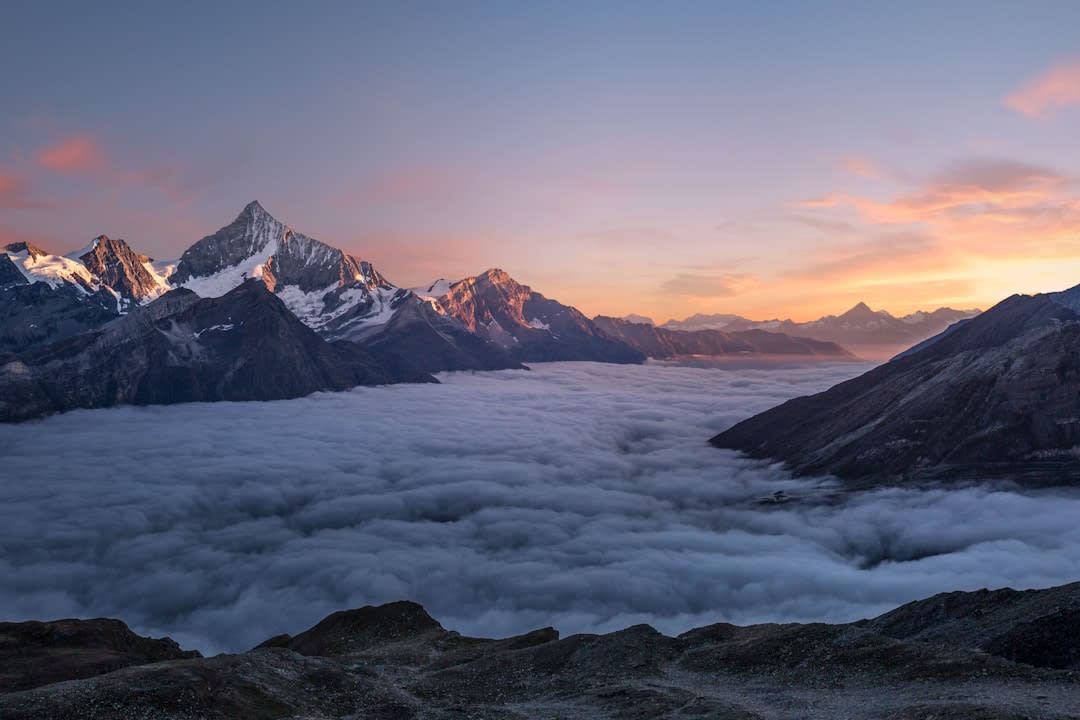
Sangti Valley is part of the breathtaking Northeast India region, known for its pristine natural beauty, rich tribal culture, and unique biodiversity.
TRAVEL PLANNING
Plan Your Visit
Essential guides to prepare for your trip
Itineraries & Trips
Curated 3-day, 5-day & 7-day trip routes
Places to Visit
Top waterfalls, viewpoints & landmarks
Best Time to Visit
When to go for the best experience
How to Reach
Flights, trains, taxis and road options
Where to Stay
Homestays, eco-lodges & resorts
Permits & Entry
Required documents and ILP pass guidance
Sangti Valley Tour Packages
Ready-to-book Sangti Valley tours

Need a Custom Plan?
As Northeast India locals, we work directly with our trusted community drivers and homestay hosts.
Talk to an ExpertTOP ATTRACTIONS
Places to Visit in Sangti Valley
Must-see attractions and hidden gems across Sangti Valley
How Many Days in Sangti Valley?
Plan your own route — or let us handle everything
Things to Do in Sangti Valley
Curated experiences and activities across Sangti Valley by local experts
Where to Stay in Sangti Valley
Verified stays in Sangti Valley with local character
Getting Around
Safe, reliable transfers and car hire in Sangti Valley
Practical Travel Realities & Local Tips
Terrain, ground rules, and essential preparation for Sangti Valley
Sangti Valley is an Easy destination. The valley basin is flat and gently sloping, making village strolls, orchard walks, and riverside birdwatching accessible for all age groups. No rigorous mountain trekking is required to enjoy the valley. The approach road from Dirang is winding and narrow but short (14 km).
Local Culinary Traditions & Food
Authentic indigenous gastronomy, tribal flavours, and culinary culture in Sangti Valley
Dining in Sangti Valley is an authentic farm-to-table cultural immersion in traditional Monpa cuisine, prepared fresh in family homestay kitchens. Must-try specialties include: Zan (hearty roasted finger millet or buckwheat porridge served with wild herbs and dried meat), Thukpa (steaming hand-pulled wheat noodle soup with organic vegetables), handmade Momos with fresh cottage cheese, spicy Churpi (fermented yak cheese stew with local mountain chillies), and warm Po Cha (salted butter tea churned with yak butter and rock salt). During fruit harvest (October–December), travelers can savor fresh, organic kiwis, apples, and persimmons plucked directly from the orchards.
Combine Sangti Valley With
Extend your trip with nearby destinations
Travel Guides
Expert guides for Sangti Valley
Reviews
"Nezo Tours organized our fantastic trip. The team was attentive and flexible, accommodating last-minute changes to suit our needs."
Yamini Peter
Mumbai, Maharashtra
"We got the best service than expected. The guide was very friendly and very very helpful, throughout our journey he guided us."
Ammiel Shabong
Shillong, Meghalaya
"Service was excellent. Prices were the best compared to those offered by others. All in all a satisfying experience. Definitely recommended."
Pradeep Agarwal
Delhi, India
PLAN YOUR TRIP
FAQs
Can't find the answer you're looking for? Our expert travel team is always on hand to help you plan the perfect Sangti Valley experience.
Ready to Explore Sangti Valley?
Let our local experts help you plan the perfect trip. Get personalized recommendations and instant quotes.