
Quick Answer: Best Time to Visit Assam
The overall optimal window to visit Assam is during the dry season (October to April (Pleasant dry winter, peak wildlife park openings, tea harvesting seasons, and vibrant Bihu celebrations)), providing clear skies, comfortable daytime temperatures, and prime conditions for sightseeing, safaris, and outdoor exploration. For lush greenery and thunderous waterfalls, visit during the monsoon shoulder months (June to September).
Assam Month-by-Month Decision Matrix
Compare climate averages, rainfall statistics, crowd levels, and primary attractions for every month.
| Month | Avg Temp | Rainfall | Crowds | Primary Highlight | Details |
|---|---|---|---|---|---|
| January | 16°C | 12mm | Peak | Magh Bihu Celebrations & Wildlife Safaris | Guide |
| February | 19°C | 22mm | High | Wildlife Visibility & River Expeditions | Guide |
| March | 23°C | 65mm | Moderate | First Flush Tea Harvest & Wildlife Viewing | Guide |
| April | 25°C | 160mm | High | Rongali Bihu Cultural Celebrations | Guide |
| May | 27°C | 280mm | Low | Second Flush Tea Production & Budget Travel | Guide |
| June | 29°C | 370mm | Low | Ambubachi Mela & Monsoon Landscapes | Guide |
| July | 29°C | 410mm | Low | Monsoon Photography & Cultural Satras | Guide |
| August | 30°C | 340mm | Low | Quiet Tea Estate Stays & Ahom Heritage | Guide |
| September | 28°C | 240mm | Moderate | Post-Monsoon Scenic Photography | Guide |
| October | 25°C | 105mm | High | Durga Puja & Post-Monsoon Travel | Guide |
| November | 20°C | 20mm | Peak | Wildlife Safaris, Raas Leela & River Cruises | Guide |
| December | 16°C | 10mm | Peak | Birdwatching, Winter Festivals & Heritage Touring | Guide |
Climate & Precipitation Trends in Assam
Toggle temperature and rainfall curves to evaluate seasonal climate shifts.
Historical Averages
Plan your perfect trip by exploring typical temperature and rainfall trends throughout the year.
The Seasons of Assam
Find your ideal travel season based on your personal travel priorities.
Winter (Nov - Feb)
10C - 24C • Dry (10mm - 25mm/month)
Crisp sunny days, cool evenings, and radiant sunshine across the Brahmaputra Valley. Prime window for wildlife safaris in all national parks, Brahmaputra river cruises, tea estate heritage bungalow stays, and the Magh Bihu harvest festival.
Wildlife Safaris, River Cruises, Tea Bungalow Stays, Magh Bihu
Spring (Mar - Apr)
17C - 30C • Moderate (65mm - 160mm/month)
Pleasant and warm with blooming wild orchids like the Kopou Phool (Foxtail Orchid). Coincides with the vibrant Rongali/Bohag Bihu celebrations in mid-April and the start of the prestigious First Flush tea harvesting season. Grass burning in wildlife reserves peaks.
Rongali Bihu, First Flush Tea Plucking, Wildlife Visibility, Orchid Blooms
Monsoon (May - Sep)
24C - 34C • High to Extreme (260mm - 420mm/month)
Intense tropical rainfall accompanied by the annual swelling of the Brahmaputra River. National parks are closed to safaris due to floodplain inundation, but tea estates achieve peak lushness during the prized Second Flush plucking window.
Second Flush Tea Plucking, Monsoon Romantics, Kamakhya Ambubachi Mela
Autumn (Oct)
20C - 30C • Low to Moderate (100mm/month)
Post-monsoon transition with clearing azure skies and receding floodwaters. National parks commence road repairs and early season test safaris while the state celebrates Kati Bihu and grand Durga Puja carnivals.
Post-Monsoon Greenery, Early Wildlife Sightings, Durga Puja, Kati Bihu
Key Activity Operating Windows
Verified operational schedules for safaris, river boating, cave exploration, and mountain pass transits.
All core and buffer safari zones open for jeep and elephant safaris. Closed May 1 to October 31 due to monsoon flooding and animal breeding seasons.
Calm river currents and stable water levels allow multi-day luxury river cruises and smooth Ro-Pax ferry crossings. High current restrictions apply June to August.
Active plucking and manufacturing of First Flush, Second Flush, and Autumn Flush teas. Winter (Dec to Feb) is the dormant pruning phase when factories pause.
Annual 4-day devotional drama festival showcasing classical Bhaona performances, Satriya dance, and ancestral bamboo-mask artistry.
Detailed Month-by-Month Guide for Assam
Comprehensive climate notes, festival calendars, packing checklists, and local insider warnings.
January 16°C 12mm Magh Bihu Celebrations & Wildlife Safaris
What to Expect in Assam in January
January offers cool, sunny weather across the state. Bonfires (Meji) illuminate fields during Magh Bihu, while all national parks operate full jeep and elephant safari schedules.
Festivals & Key Events
- Magh Bihu / Bhogali Bihu (Mid-January)
- Brahmaputra Beach Festival (Guwahati)
- Jonbeel Mela (Morigaon)
Recommended Packing Essentials
- Warm fleece jacket
- Thermal innerwear for dawn safaris
- Comfortable walking shoes
- Sun hat
February 19°C 22mm Wildlife Visibility & River Expeditions
What to Expect in Assam in February
Mild temperatures and dry trails make February exceptional for wilderness exploration. Grassland burning in protected parks increases visibility for tigers and large mammals.
Festivals & Key Events
- Ali-Aye-Ligang (Mishing Spring Festival)
- Dehing Patkai Festival
Recommended Packing Essentials
- Light woolens for evenings
- Cotton daywear
- Telephoto camera lens
- UV sunglasses
March 23°C 65mm First Flush Tea Harvest & Wildlife Viewing
What to Expect in Assam in March
Spring begins across Assam's sprawling tea gardens. Temperatures are warm and pleasant, and wildlife gathers around waterholes as small streams dry up.
Festivals & Key Events
- Holi / Doul Utsav (Barpeta Satra)
- Assam Tea Festival
Recommended Packing Essentials
- Breathable cottons
- Light cardigan for night
- High-SPF sunscreen
- Binoculars
April 25°C 160mm Rongali Bihu Cultural Celebrations
What to Expect in Assam in April
Assam's biggest celebration, Bohag/Rongali Bihu, fills towns and villages with music, Dhol beats, and traditional dance. Orchids bloom on roadside trees.
Festivals & Key Events
- Rongali Bihu / Bohag Bihu (Assamese New Year)
- Baishagu (Bodo Festival)
Recommended Packing Essentials
- Quick-dry lightweight clothing
- Compact umbrella
- Trekking sandals
- Insect repellent
May 27°C 280mm Second Flush Tea Production & Budget Travel
What to Expect in Assam in May
Pre-monsoon rains intensify, signaling the end of the wildlife safari season by April 30 or early May. Tea factories work around the clock producing muscatel-rich second-flush tea.
Festivals & Key Events
- Buddha Purnima in Tai Buddhist Temples
Recommended Packing Essentials
- Waterproof rain jacket
- Waterproof footwear
- Moisture-wicking tees
- Dry bags
June 29°C 370mm Ambubachi Mela & Monsoon Landscapes
What to Expect in Assam in June
The Southwest Monsoon sets in fully. Guwahati hosts the sacred Ambubachi Mela at Kamakhya Temple, drawing thousands of ascetics and pilgrims.
Festivals & Key Events
- Ambubachi Mela at Kamakhya Temple (Guwahati)
Recommended Packing Essentials
- Heavy-duty raincoat
- Sturdy umbrella
- Water-resistant backpack
- Anti-fungal foot powder
July 29°C 410mm Monsoon Photography & Cultural Satras
What to Expect in Assam in July
July is the wettest month in Assam. The Brahmaputra runs high, sustaining the unique riverine ecosystem while isolating low-lying floodplains.
Festivals & Key Events
- Monsoon Planting Celebrations
Recommended Packing Essentials
- Full rain gear
- Quick-dry synthetic clothing
- Waterproof phone pouch
- Mosquito repellent
August 30°C 340mm Quiet Tea Estate Stays & Ahom Heritage
What to Expect in Assam in August
Monsoon rains continue with warm and humid days. Ideal for cultural heritage sightseeing in historical centers like Tezpur and Sivasagar, where all monuments remain accessible.
Festivals & Key Events
- Janmashtami Celebrations in Vaishnavite Satras
- Independence Day Cultural Meets
Recommended Packing Essentials
- Breathable rainwear
- Extra cotton clothing
- Slip-resistant footwear
September 28°C 240mm Post-Monsoon Scenic Photography
What to Expect in Assam in September
Rainfall tapers significantly toward the end of September. Hillsides clear up, the Brahmaputra recedes into defined riverbeds, and park authorities initiate post-flood road rebuilding.
Festivals & Key Events
- Karam Puja in Tea Worker Communities
- Sankaradeva Tithi Commemorations
Recommended Packing Essentials
- Light cottons
- Compact umbrella
- Walking sneakers
- Light evening layer
October 25°C 105mm Durga Puja & Post-Monsoon Travel
What to Expect in Assam in October
October brings pleasant autumn weather. Durga Puja is celebrated with magnificent street lighting, and parks prepare to reopen for tourist safaris.
Festivals & Key Events
- Durga Puja Carnivals
- Kati Bihu / Kongali Bihu (Mid-October)
Recommended Packing Essentials
- Comfortable casual wear
- Light evening pullover
- Walking shoes
- Camera
November 20°C 20mm Wildlife Safaris, Raas Leela & River Cruises
What to Expect in Assam in November
November is one of the most idyllic months to travel in Assam. Sunny days, cool breezes, full park operations, and the spellbinding Raas Mahotsav festival on Majuli Island make this peak season.
Festivals & Key Events
- Raas Mahotsav / Raas Leela (Majuli Island)
- Charaideo Heritage Gatherings
Recommended Packing Essentials
- Medium woolens or fleece jacket
- Thermal layer for early morning
- Sunscreen
- Field guide book
December 16°C 10mm Birdwatching, Winter Festivals & Heritage Touring
What to Expect in Assam in December
Crisp winter conditions with clear blue skies. Thousands of migratory birds from Siberia and Central Asia arrive in the wetlands of Deepor Beel, Kaziranga, and Dibru-Saikhowa.
Festivals & Key Events
- Christmas Festivities in Hill Districts
- Sivasagar Heritage Festival
- Brahmaputra Literature Festival
Recommended Packing Essentials
- Warm winter coat
- Woolen cap and gloves for open jeeps
- Moisturizer and lip balm
The Comprehensive Travel Seasonality Guide to Assam
Stretching along the fertile river plains of the mighty Brahmaputra, Assam is a vibrant land of premier biodiversity, sprawling tea plantations, ancient Ahom monuments, and sacred Vaishnavite monasteries. Timing your trip correctly is essential because Assam experiences extreme hydrological and seasonal shifts.
Winter (November to February): The Golden Safari & Cruise Window
Winter represents the premier travel window for virtually all tourism across Assam. Temperatures remain comfortably mild (10C to 24C), skies are azure, and precipitation is practically zero.
- Wildlife Sanctuaries at Full Throttle: All five UNESCO and national parks—Kaziranga, Manas, Nameri, Orang, and Dibru-Saikhowa—are fully open. Pristine conditions prevail for jeep safaris, morning elephant safaris, and tracking the iconic Greater One-horned Rhinoceros, Royal Bengal Tiger, and Wild Water Buffalo.
- Brahmaputra Expeditions: The river settles into predictable channels, enabling smooth Ro-Pax ferry crossings to Majuli Island and multi-night luxury cruise voyages between Guwahati, Silghat, and Jorhat.
- Migratory Bird Influx: Thousands of migratory waterfowl, including Bar-headed Geese, Ferruginous Ducks, and Baer's Pochards, winter in wetlands like Deepor Beel, Kaziranga's Agoratoli range, and Maguri-Motapung Beel.
Spring (March to April): Tea Flushes, Bihu & Peak Wildlife Sightings
Spring brings warmer days (17C to 30C) and vibrant cultural festivities.
- Grassland Burning & High Visibility: In February and March, forest rangers conduct controlled burning of the 4-meter tall elephant grass in Kaziranga and Manas. This opens up panoramic visibility across the plains, making March the highest-yield month for spotting tigers and rhinos.
- Rongali Bihu: In mid-April, Assam celebrates its most joyful festival—Bohag Bihu—marking the Assamese New Year with lively open-air Husori dance performances and feasting.
- First Flush Teas: Tea estates burst into life with tender green shoots, producing the delicate, aromatic First Flush teas prized worldwide.
Monsoon (May to September): Floods & The Agricultural Rebirth
The southwest monsoon brings tremendous rainfall (over 2,500 mm annually), transforming the state.
- National Park Flood Closures: 70% to 90% of Kaziranga and surrounding riverine reserves are submerged by Brahmaputra floodwaters. Safaris are strictly prohibited from May 1 to October 31 as wildlife takes refuge in the elevated Karbi Anglong hills.
- Second Flush Muscatel Teas: In May and June, tea factories operate at peak capacity to process the rich, amber Second Flush harvest.
- Ambubachi Mela: In late June, Guwahati's Kamakhya Temple hosts the internationally acclaimed Tantric festival, celebrating the fertility of Mother Earth.
Frequently Asked Questions
What is the best overall time to visit Assam?
The best overall time to visit Assam is between November and April. During these months, all national parks are open for safaris, weather is pleasantly cool and dry, and river transport operates smoothly.
When are the national parks in Assam closed?
All national parks in Assam, including Kaziranga, Manas, Nameri, and Orang, are officially closed to tourists from May 1 to October 31 due to annual monsoon flooding and animal breeding seasons.
When can I experience the Bihu festivals in Assam?
Assam celebrates three Bihu festivals: Rongali/Bohag Bihu (spring planting & New Year) in mid-April, Kati/Kongali Bihu (autumn crop protection) in mid-October, and Bhogali/Magh Bihu (winter harvest & feasts) in mid-January.
When is the best season for tea estate tourism in Assam?
The best time for tea estate tourism is from March to November when tea bushes are actively plucked and factories are processing fresh orthodox and CTC teas. Winter (December to February) is the dormant pruning season.
What should I pack for an Assam tour in winter?
Pack lightweight layers for warm sunny afternoons, a warm fleece or woolen jacket for open morning jeep safaris and river cruises, high-traction walking shoes, sunscreen, and a good telephoto lens for wildlife photography.
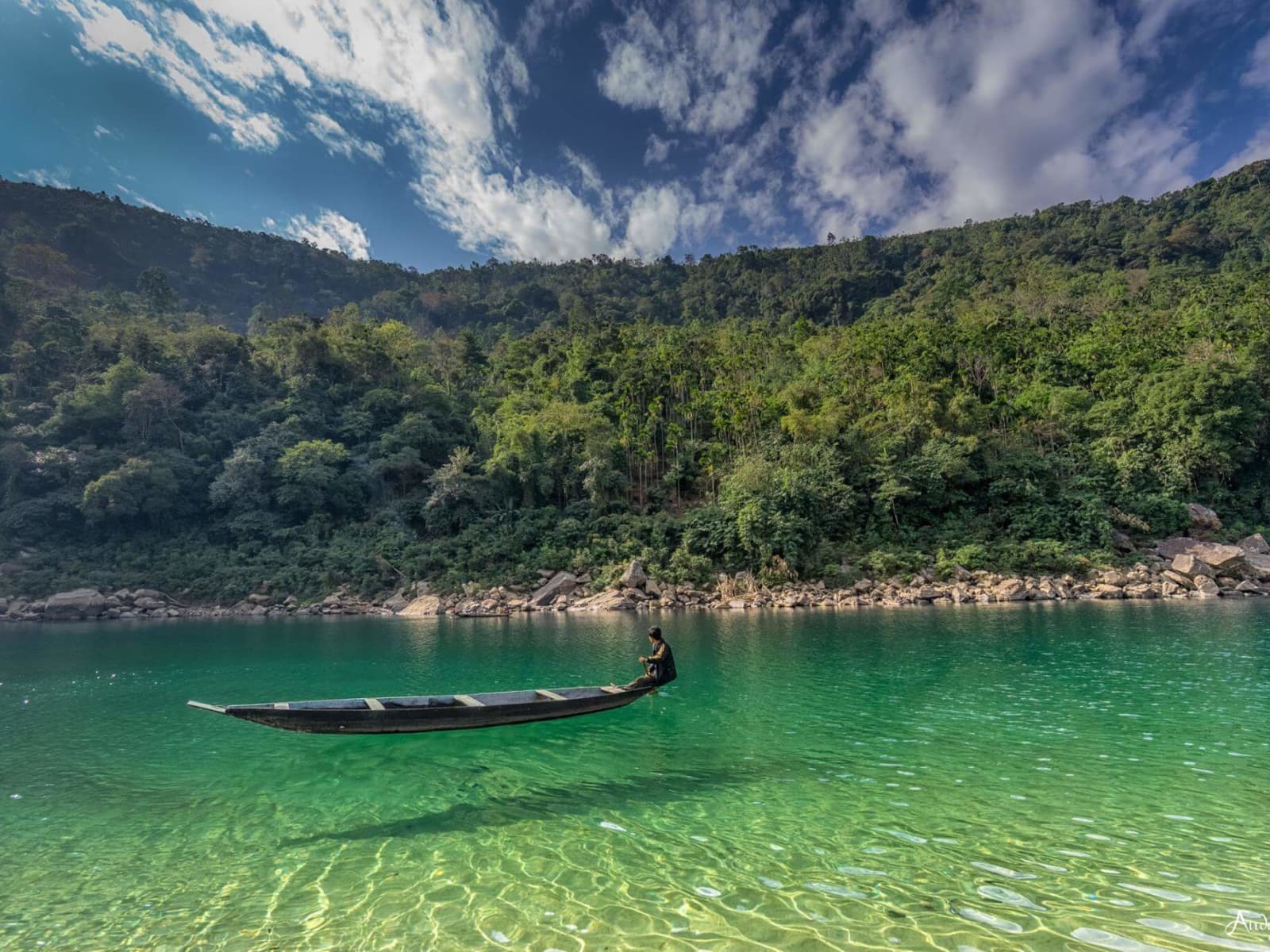
7-Day Meghalaya Tour Package: Shillong, Cherrapunji, Dawki & Mawphlang
Meghalaya • Shillong • Cherrapunji • Nature • Waterfalls • Adventure
