
Quick Answer: Best Time to Visit Cherrapunji
The overall optimal window to visit Cherrapunji is during the dry season (October to April (For Trekking and Caving) or June to September (For Roaring Falls)), providing clear skies, comfortable daytime temperatures, and prime conditions for sightseeing, safaris, and outdoor exploration. For lush greenery and thunderous waterfalls, visit during the monsoon shoulder months (June to September).
Cherrapunji Month-by-Month Decision Matrix
Compare climate averages, rainfall statistics, crowd levels, and primary attractions for every month.
| Month | Avg Temp | Rainfall | Crowds | Primary Highlight | Details |
|---|---|---|---|---|---|
| January | 11°C | 15mm | Peak | Double Decker Trek & Cave Spelunking | Guide |
| February | 13°C | 35mm | High | Rainbow Falls & Natural Plunge Pools | Guide |
| March | 17°C | 220mm | Moderate | Arwah Cave Fossils & Mawsmai Cave | Guide |
| April | 18°C | 750mm | Moderate | Dainthlen Falls & Garden of Caves | Guide |
| May | 19°C | 1250mm | Moderate | Rising Waterfall Plumes & Cloud Formations | Guide |
| June | 20°C | 2500mm | Low | Full Hydraulic Power of Nohkalikai Falls | Guide |
| July | 20°C | 3000mm | Low | Monsoon Romantics & Dramatic Canyons | Guide |
| August | 20°C | 1800mm | Low | Lush Mossy Forests & Mawsmai Plateau | Guide |
| September | 20°C | 1100mm | Moderate | Rainbow Views over Nohkalikai Gorge | Guide |
| October | 18°C | 450mm | High | Wei Sawdong Three-Tier Falls & Canyon Vistas | Guide |
| November | 15°C | 60mm | Peak | Living Root Bridges & Sohra Escarpment Treks | Guide |
| December | 12°C | 15mm | Peak | Arwah & Krem Mawmluh Caving Expeditions | Guide |
Climate & Precipitation Trends in Cherrapunji
Toggle temperature and rainfall curves to evaluate seasonal climate shifts.
Historical Averages
Plan your perfect trip by exploring typical temperature and rainfall trends throughout the year.
The Seasons of Cherrapunji
Find your ideal travel season based on your personal travel priorities.
Autumn (Oct - Nov)
10C - 22C • Low to Moderate
Clear mountain vistas, crystal turquoise plunge pools at Wei Sawdong, and waterfalls flowing strongly without the torrential summer downpours.
Wei Sawdong, Nohkalikai Vistas, Photography
Winter (Dec - Feb)
6C - 18C • Dry
Bone dry, azure skies, and stable ground. The definitive season for the grueling 3,500-step Double Decker Living Root Bridge trek and cave spelunking in Arwah and Mawsmai.
Double Decker Trek, Arwah Cave, Krem Mawmluh
Spring (Mar - May)
12C - 23C • Moderate to High
Mild temperatures with increasing pre-monsoon moisture. Early thunderheads create dramatic skies above the southern Bangladesh plains escarpment.
Escarpment Treks, Mawsmai Cave, Village Hikes
Monsoon (Jun - Sep)
16C - 24C • Extreme (Over 2,500mm/month)
World-record rainfall transforms the Sohra plateau into a land of mist and thundering water. Nohkalikai, Dainthlen, and Seven Sisters Falls surge at maximum power.
Roaring Waterfalls, Cloudscapes, Monsoon Chasing
Key Activity Operating Windows
Verified operational schedules for safaris, river boating, cave exploration, and mountain pass transits.
The 3,500 stone stairs from Tyrna village are dry and secure. Slippery and physically perilous during heavy monsoon months.
Subterranean stream levels are low, allowing safe passage into deep fossil chambers.
Waterfalls plunge at full hydraulic force into the misty canyons.
Calm, crystal-clear turquoise waters in the deep natural swimming pool.
Clear cloudless panoramas overlooking the Sylhet plains of Bangladesh.
Detailed Month-by-Month Guide for Cherrapunji
Comprehensive climate notes, festival calendars, packing checklists, and local insider warnings.
January 11°C 15mm Double Decker Trek & Cave Spelunking
What to Expect in Cherrapunji in January
January offers bone-dry conditions. The 3,500 stone steps down to the Nongriat Double Decker Root Bridge are completely dry and safe. Subterranean caves like Arwah and Krem Mawmluh have low water levels.
Festivals & Key Events
- Winter Eco Trails
Recommended Packing Essentials
- Trekking poles
- Sturdy hiking shoes
- Thermal fleece
- Daypack with hydration pack
February 13°C 35mm Rainbow Falls & Natural Plunge Pools
What to Expect in Cherrapunji in February
Crystal clear water in the natural pools below Rainbow Falls. Sunny weather makes it comfortable to hike through the lush tropical river valleys below Tyrna.
Festivals & Key Events
- Local Village Gatherings
Recommended Packing Essentials
- Swimwear
- Quick-dry towel
- Hiking boots
- Sun hat
March 17°C 220mm Arwah Cave Fossils & Mawsmai Cave
What to Expect in Cherrapunji in March
Comfortable weather for exploring Arwah Cave's millions-of-years-old marine limestone fossils and the narrow illuminated passages of Mawsmai Cave.
Festivals & Key Events
- Spring Heritage Walks
Recommended Packing Essentials
- Headlamp/Torch
- Grip shoes
- Breathable layers
April 18°C 750mm Dainthlen Falls & Garden of Caves
What to Expect in Cherrapunji in April
Pre-monsoon rainfall brings dramatic life back to Dainthlen Falls and the cascading grottos of Garden of Caves (Ka Bri Synrang).
Festivals & Key Events
- Easter Celebrations
Recommended Packing Essentials
- Light rain jacket
- Waterproof daypack
- Trek pants
May 19°C 1250mm Rising Waterfall Plumes & Cloud Formations
What to Expect in Cherrapunji in May
The landscape turns intensely green. Nohkalikai Falls begins plunging with force into its deep turquoise pool surrounded by swirling mists.
Festivals & Key Events
- Local Agro Fairs
Recommended Packing Essentials
- Full rain gear
- Waterproof phone pouch
- Traction shoes
June 20°C 2500mm Full Hydraulic Power of Nohkalikai Falls
What to Expect in Cherrapunji in June
Peak monsoon downpours unleash the true power of Sohra's world-famous waterfalls. Nohkalikai, Seven Sisters, and Wei Sawdong roar deafeningly across the canyons.
Festivals & Key Events
- Monsoon Adventure Gatherings
Recommended Packing Essentials
- Heavy-duty raincoat
- Waterproof dry sacks
- Non-slip boots
July 20°C 3000mm Monsoon Romantics & Dramatic Canyons
What to Expect in Cherrapunji in July
The wettest month in one of the wettest places on earth. Witness clouds rising directly out of the deep Bangladesh plains over the Sohra rim.
Festivals & Key Events
- Rainforest Photography Treks
Recommended Packing Essentials
- Waterproof poncho
- Moisture-wicking innerwear
- Silica packets for camera lenses
August 20°C 1800mm Lush Mossy Forests & Mawsmai Plateau
What to Expect in Cherrapunji in August
Greenery reaches its peak vitality with thousands of unnamed temporary cascades tumbling down every roadside cliff.
Festivals & Key Events
- Monsoon Photography Excursions
Recommended Packing Essentials
- Waterproof boots
- Windproof umbrella
- Extra dry clothing
September 20°C 1100mm Rainbow Views over Nohkalikai Gorge
What to Expect in Cherrapunji in September
Rain frequency slows down while waterfalls remain at high volume. Sun breaks create vivid double rainbows across the deep Nohkalikai gorge.
Festivals & Key Events
- Autumn Photography Tours
Recommended Packing Essentials
- Light rain jacket
- Sturdy walking boots
- Camera with polarizing filter
October 18°C 450mm Wei Sawdong Three-Tier Falls & Canyon Vistas
What to Expect in Cherrapunji in October
A golden month for Cherrapunji. The water in Wei Sawdong's three stepped pools turns vivid turquoise-green, and hiking trails become accessible.
Festivals & Key Events
- Autumn Eco Trails
Recommended Packing Essentials
- Comfortable trekking shoes
- Light jacket
- Sun protection
November 15°C 60mm Living Root Bridges & Sohra Escarpment Treks
What to Expect in Cherrapunji in November
Spectacular azure skies, pleasant hiking temperatures, and bone-dry stone stairs make November the ultimate month for the Double Decker Root Bridge and Rainbow Falls.
Festivals & Key Events
- Sohra Indigenous Culture Meet
Recommended Packing Essentials
- Trekking shoes
- Fleece pullover
- Water bottle
- Energy snacks
December 12°C 15mm Arwah & Krem Mawmluh Caving Expeditions
What to Expect in Cherrapunji in December
Cool, dry, and crystal-clear. The best month for serious spelunking in Krem Mawmluh (fourth longest cave in the Indian subcontinent) and visiting Arwah Cave.
Festivals & Key Events
- Christmas Community Feasts
Recommended Packing Essentials
- Warm layers
- Headlamps
- Knee braces for step descent
- Thermal socks
The Definitive Cherrapunji (Sohra) Travel Guide
Perched high on the southern edge of the Meghalaya plateau overlooking the plains of Bangladesh, Cherrapunji (known locally as Sohra) presents one of the most remarkable climatic contrasts on earth: bone-dry, sunny winter trekking versus monsoon torrents of legendary proportions.
The Trekker's Golden Window: November to March
If your goal is to hike to the world-famous bio-engineering marvels and explore subterranean caves, the dry winter season is indispensable:
- Nongriat Double Decker Root Bridge: Spanning two levels across a torrential river, this living Ficus elastica root bridge requires descending (and later ascending) 3,540 steep stone stairs from Tyrna village. In winter, steps are dry and free of slick algae.
- Rainbow Falls: An additional 1.5-hour hike beyond Nongriat leads to a deep turquoise pool where midday sunlight produces a perpetual rainbow over the plunge pool.
- Cave Spelunking: Arwah Cave features exposed fossil remains of crustaceans and fish along its limestone ceiling, while Krem Mawmluh offers adventurous spelunking through calcite formations.
The Waterfall Chaser's Window: June to September
During the monsoon, Sohra transforms into a thundering landscape of water:
- Nohkalikai Falls: India's tallest plunge waterfall (340 meters) drops into a churning green pool surrounded by sheer vertical red-rock cliffs.
- Wei Sawdong: A three-tiered cascade that plunges into stepped circular pools of vivid blue and turquoise.
- Seven Sisters Falls (Nohsngithiang): Seven distinct streams plunge side-by-side down the massive sandstone cliff facing Bangladesh.
Frequently Asked Questions
What is the best time to visit Cherrapunji?
The best time to visit Cherrapunji (Sohra) is from October to April for dry hiking trails down to the Living Root Bridges and safe cave exploration, or from June to September to witness waterfalls like Nohkalikai roaring at peak monsoon volume.
What is the best month to do the Double Decker Living Root Bridge trek?
November through March is the best time for the Double Decker Root Bridge trek, as the 3,540 stone stairs are completely dry, preventing dangerous slips and exhaustion from high humidity.
When can you see Nohkalikai Falls at its most powerful?
Nohkalikai Falls is at peak hydraulic volume between June and September during the monsoon season, though October offers great flow with much clearer viewing skies.
Is Arwah Cave open during the monsoon season?
The initial paved section of Arwah Cave remains open, but deep spelunking and unpaved cave chambers are closed during heavy rain due to rising underground stream levels.
How difficult is the trek to Nongriat Double Decker Root Bridge?
The trek is strenuous, involving roughly 3,540 concrete and stone stairs each way with an elevation change of approximately 750 meters. It takes 2 hours to descend and 2.5 to 3.5 hours to climb back up.
Can you swim in Rainbow Falls and Wei Sawdong?
Swimming in Rainbow Falls is permitted and popular from November to April when currents are calm. Swimming at Wei Sawdong is restricted by local village councils for safety and ecological preservation.
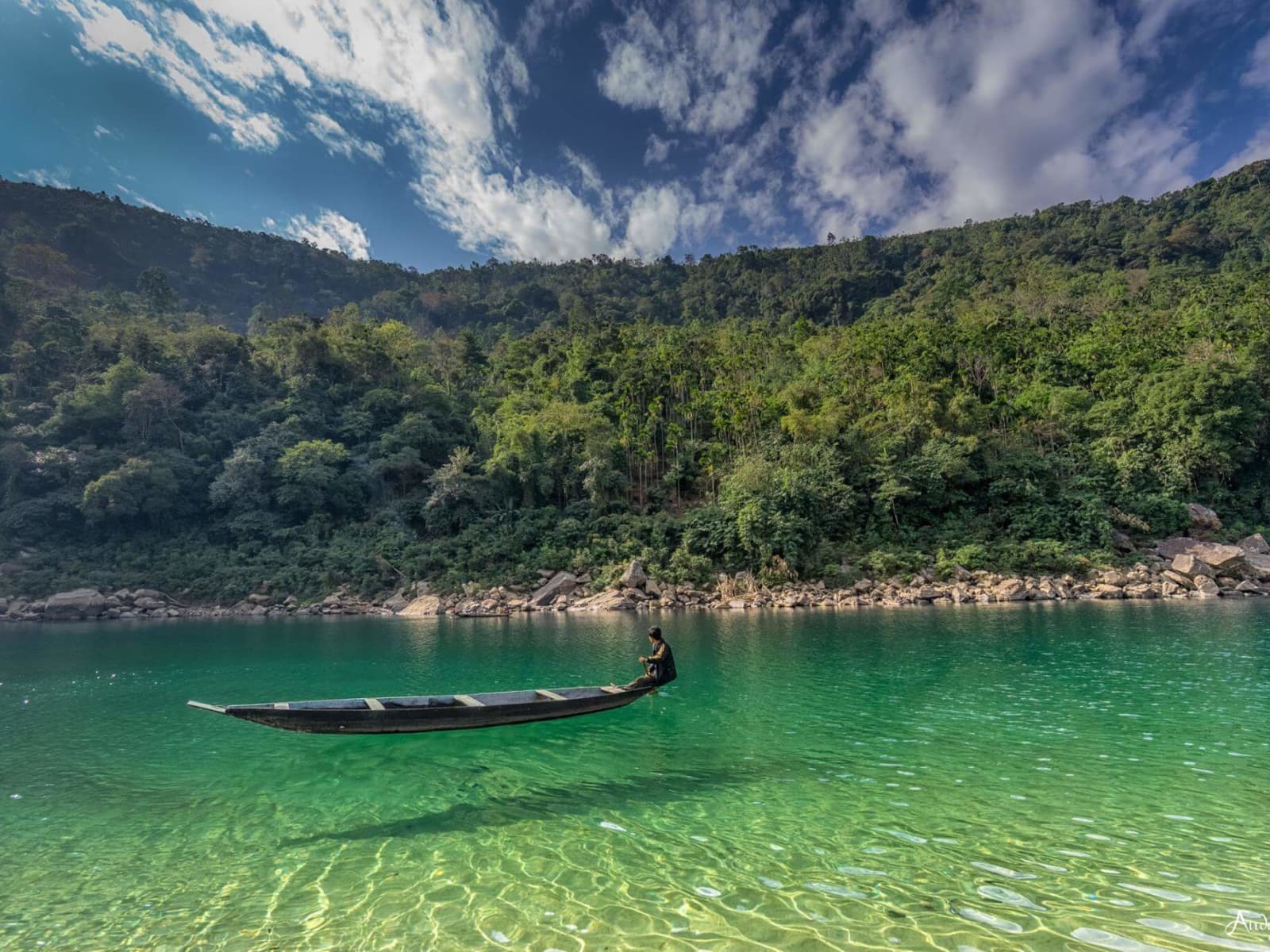
7-Day Meghalaya Tour Package: Shillong, Cherrapunji, Dawki & Mawphlang
Meghalaya • Shillong • Cherrapunji • Nature • Waterfalls • Adventure