
Tawang (Tawang Town)
Updated 2026Citadel of the Monpas, High-Altitude Sacred Glacial Lakes & Himalayan Frontier
| Category | Detail |
|---|---|
| Access Pass | Sela Pass (4,170m) & Sela Tunnel (operational 2024) |
| Altitude / Elevation | 3,048 meters (10,000 ft) — passes reach 4,633m (Bum La) |
| Birthplace Dalai Lama | 6th Dalai Lama (Tsangyang Gyatso, born 1683 at Urgelling) |
| Border Pass | Bum La Pass (4,633m) on Indo-China LAC |
| Coordinates | 27.586° N, 91.859° E |
| District | Tawang District (Headquarters) |
| Major Glacial Lakes | Sangestar Tso (Madhuri Lake, 3,708m) & Panga Teng Tso / PTSO (3,960m) |
| Monastery Founded | 1681 CE by Merak Lama Lodre Gyatso |
| Monastery Name | Galden Namgey Lhatse ('Celestial Domain of Divine Victory') |
| Permit Mandate | ILP for domestic Indians (eilp.arunachal.gov.in / arunachalilp.com) + DC/Army passes for Bum La/Sangestar Tso; PAP for foreigners |
| Primary Tribe | Monpa (Tibeto-Burman, Gelugpa Tibetan Buddhism) |
Tawang is a high-altitude frontier district headquarters situated at 3,048 meters (10,000 feet) in northwestern Arunachal Pradesh, bordering Tibet and Bhutan. Home to India's largest monastery—the 17th-century Galden Namgey Lhatse founded in 1681—and surrounded by passes reaching 4,633 meters at Bum La, it forms the spiritual and strategic bastion of the Monpa homeland.
The pungent, resinous smoke of burning juniper branches drifts across flagstone monastery courtyards, mingling with the biting alpine wind sweeping down from the Gorichen massif. Copper butter lamps flicker against gold-leaf frescoes inside the Dukhang as deep-toned dungchen horns and resonant monastic drums echo into the mist. In the stillness of the valley below, glacial meltwater thunders through the granite gorge of the Tawang Chu.
Inner Line Permit (ILP) is legally mandatory for all domestic Indian visitors (apply via eilp.arunachal.gov.in or arunachalilp.com: fee ₹300 up to 3 days, ₹500 beyond 3 days up to 14 days). Special local DC Office permits and Indian Army clearance are required for visiting forward border areas including Bum La Pass (4,633m) and Sangestar Tso (Madhuri Lake). Foreign nationals require a Protected Area Permit (PAP, US$ 50) issued in groups of 2+ through authorized tour operators.
Geography, Topography & High-Altitude Himalayan Geology
Tawang occupies a high-altitude mountain basin situated at an average elevation of 3,048 meters (10,000 feet) in the extreme northwestern corner of Arunachal Pradesh. Bounded by Tibet to the north across the McMahon Line and Bhutan to the southwest, the district spans 2,172 square kilometers defined by glaciated mountain massifs, sheer granite ridges, and narrow river valleys. The geological foundation of Tawang is formed by the Higher Himalayan crystalline complex, comprising Precambrian granites, gneisses, and schists thrust upward by the ongoing tectonic collision of the Indian and Eurasian plates.
The drainage of the district is dominated by the torrential Tawang Chu river and its major tributaries, including the Nyamjang Chu and Rhong Chu. Originating from high glacial cirques near the international border, the Tawang Chu cuts a deep gorge westward before entering eastern Bhutan to join the Manas River system. Rising to the northeast and east are the glaciated peaks of the Gorichen Range, anchored by Mount Gorichen (6,488 meters) and Mount Kangto (7,090 meters), which feed dozens of alpine glacial tarns across the high plateau.
The topography rises sharply from valley bottoms at 2,000 meters to rugged alpine passes exceeding 4,600 meters, creating distinct ecological zones ranging from temperate coniferous forests of Himalayan blue pine (Pinus wallichiana), silver fir, and birch at mid-elevations to sub-alpine rhododendron scrub and barren periglacial scree slopes above the treeline (3,800 meters). High-altitude passes—notably Sela Pass (4,170 meters) to the south and Bum La Pass (4,633 meters) to the north—act as geographic barriers, subjecting Tawang to severe Himalayan winters and short summer growing seasons.
History, The 6th Dalai Lama & Gelugpa Monastic Foundation
The history of Tawang is intimately entwined with the southward transmission of Tibetan Buddhism and the political consolidation of the Gelugpa (Yellow Hat) order across the Eastern Himalayas. Prior to Buddhist monastic governance, the region was administered by indigenous Monpa clan chieftains practicing ancient Bon animist traditions. In the late 17th century, under the directive of the 5th Dalai Lama, Ngawang Lobsang Gyatso, a Monpa lama named Merak Lama Lodre Gyatso founded Tawang Monastery in 1681 CE.
According to Monpa chronicles, Merak Lama searched extensively for an auspicious site until his horse wandered into the hills. Following the animal's tracks, he discovered it grazing quietly on a high promontory overlooking the valley. Interpreting this as a divine sign, he named the site Tawang—derived from Ta (horse) and Wang (chosen or blessed)—and christened the citadel Galden Namgey Lhatse, meaning the "Celestial Domain of Divine Victory."
Tawang holds an exceptional place in trans-Himalayan Buddhist lineage as the birthplace of Tsangyang Gyatso, the 6th Dalai Lama (1683–1706 CE). Born at Urgelling Monastery, located 5 km south of modern Tawang town, Tsangyang Gyatso was renowned for his classical poetry and spiritual sensitivity. His birthplace remains an active pilgrimage sanctuary preserving a sacred footprint in stone and a holy tree (Urgelling Tholong) believed to have grown from a staff planted by the young Dalai Lama before his journey to Lhasa.
Historically administered under the authority of the Tawang Dzong as part of the Monyul tract, the region maintained religious and commercial ties with Drepung Monastery in Lhasa. In 1914, under the Simla Accord, the McMahon Line was established as the international boundary between British India and Tibet, formally placing Tawang within Indian territory. Full Indian civil administration was consolidated in February 1951 when Major Bob Khathing of the Indian Frontier Administrative Service led an expedition to Tawang, establishing formal governance with the full support of the local Monpa population.
Tawang Monastery (Galden Namgey Lhatse): Citadel Architecture & Sacred Relics
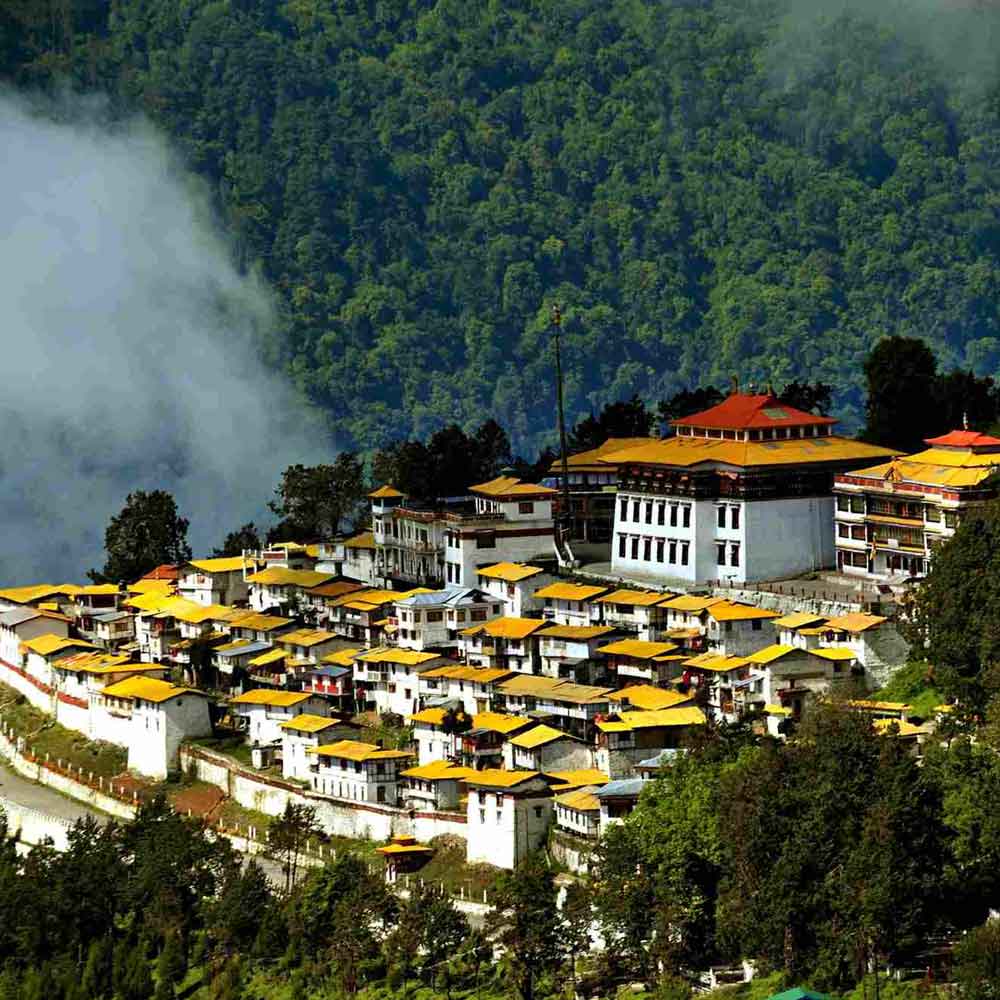
Perched at an elevation of 3,048 meters on a fortified mountain ridge, Tawang Monastery (Galden Namgey Lhatse) is the second-largest Tibetan Buddhist monastery in the world after the Potala Palace in Lhasa, and the undisputed religious center of the Monpa community. Accommodating over 500 resident monks, the monastery is constructed as a self-contained citadel enclosed by a 282-meter-long stone compound wall.
The monastic complex comprises several monumental structures organized around a central stone-paved courtyard:
- The Main Assembly Hall (Dukhang): A three-story structure dominating the northern side of the courtyard. The inner sanctum houses a colossal 8-meter-tall (26-foot) gilded bronze statue of Shakyamuni Buddha, flanked by images of Manjushri and Avalokiteshvara. The interior walls feature 17th- and 18th-century frescoes depicting the life of Buddha, the Sixteen Arhats, and Gelugpa protector deities including Palden Lhamo and Mahakala.
- The Sacred Library (Parkhang): Located on the upper floor, the library preserves priceless trans-Himalayan religious literature, including complete sets of the Kangyur (108 volumes) and Tengyur (225 volumes) printed using hand-carved woodblocks on indigenous Monpa rag paper, alongside gold-lettered manuscripts of the Getongpa scriptures.
- Monastic Quarters (Sha): More than 60 residential stone buildings arranged in concentric lanes surrounding the main hall, providing housing and study cells for ordained monks and novice lamas.
- The Centre for Buddhist Cultural Studies: A formal monastic university offering traditional philosophical instruction in Madhyamaka, Pramana (logic), and Buddhist metaphysics alongside contemporary secular education.
Every year in the eleventh month of the Monpa lunar calendar (typically January), the monastery courtyard hosts the Torgya Festival, a three-day celebration featuring sacred cham dances. Monks in silk brocade robes and hand-carved masks perform choreographed ritual dances to expel negative energies, protect agricultural fields, and foster regional harmony.
The High Passes & Glacial Lakes: Sela, Bum La, Sangestar Tso & PTSO
The terrain surrounding Tawang is defined by high-altitude passes and glacial tarns:
- Sela Pass (4,170 meters / 13,700 feet): The primary geographic threshold connecting West Kameng to Tawang district. Flanked by high alpine ridges that remain snow-covered for up to seven months of the year, the pass is home to the high-altitude Sela Lake, an oligotrophic body that freezes completely during deep winter. In March 2024, the Government of India inaugurated the Sela Tunnel—the world's longest twin-tube bi-lane road tunnel constructed at an altitude above 13,000 feet—engineered by the Border Roads Organisation (BRO). The 1.5-kilometer main tunnel bypasses the treacherous switchbacks of Sela Pass, ensuring uninterrupted all-weather transit into Tawang.
- Bum La Pass (4,633 meters / 15,200 feet): Situated 37 km north of Tawang directly on the Line of Actual Control (LAC) between India and China. Bum La served as the historic trade route between Monyul and Southern Tibet, and was the path taken by the 14th Dalai Lama during his escape to India in March 1959. Today, Bum La functions as one of five designated Border Personnel Meeting (BPM) points between the Indian Army and the Chinese People's Liberation Army. Visiting Bum La requires specialized permits issued by the Deputy Commissioner's Office in Tawang and formal Indian Army clearance.
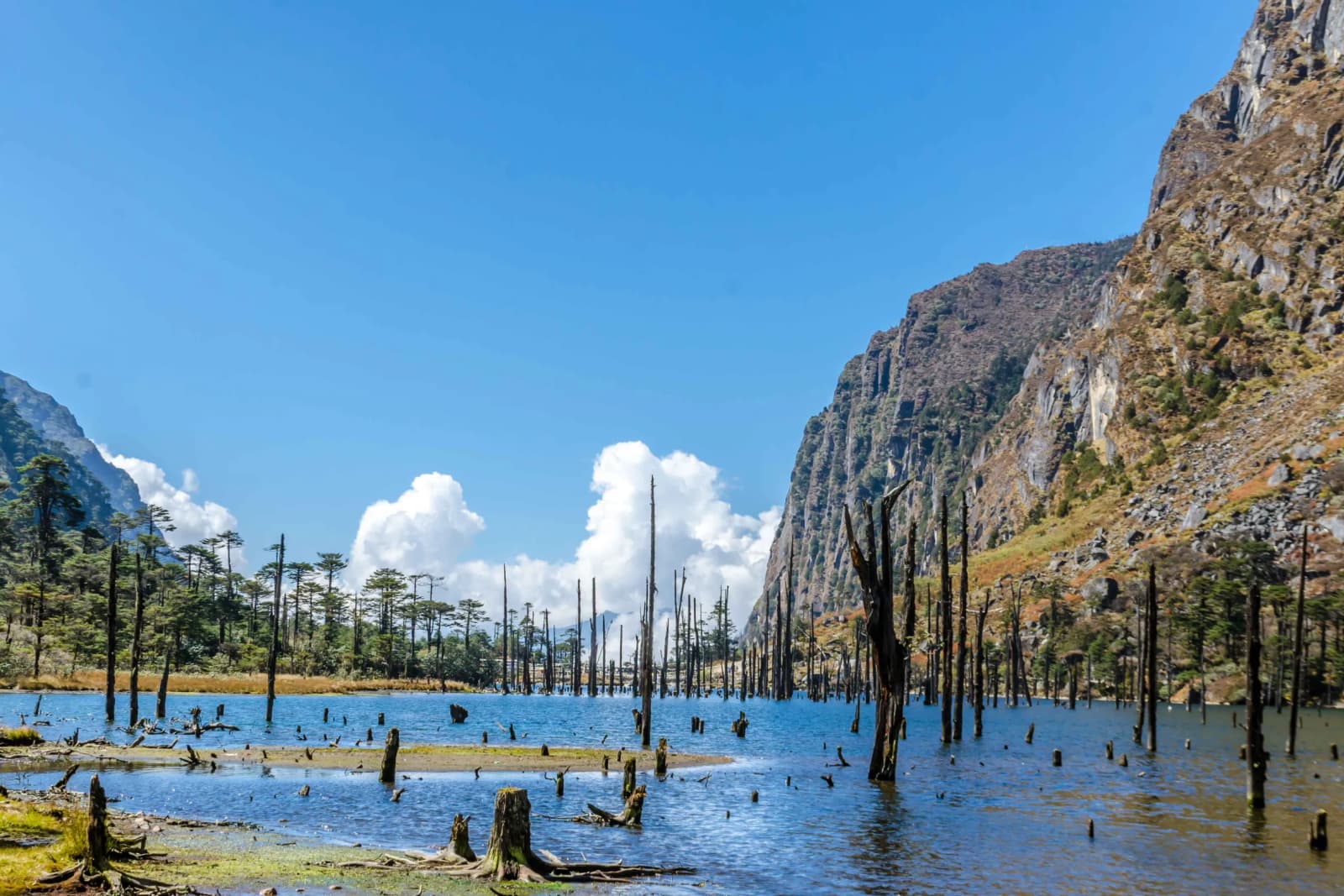
- Sangestar Tso (Madhuri Lake, 3,708 meters): Located 35 km northeast of Tawang, this high-altitude lake was formed in August 1950 when a massive 8.6-magnitude earthquake triggered rock avalanches that dammed the river channel, submerging a pine forest. Today, petrified tree trunks rise from the clear glacial waters. The lake earned the popular moniker "Madhuri Lake" after Bollywood actress Madhuri Dixit filmed scenes here for the 1997 film Koyla.
- Panga Teng Tso (PTSO Lake, 3,960 meters): Situated 17 km north of Tawang on the road to Bum La, PTSO is a natural glacial tarn surrounded by dwarf rhododendron scrub. During spring (April–May), the lakeshore is covered in pink and blue Himalayan wildflowers, while winter transforms the water into a sheet of ice.
Military Heritage, Nuranang Falls & Urgelling
Tawang's strategic border geography features key military memorials and historical landmarks:
- Jaswant Garh War Memorial: Situated at 3,000 meters along the highway between Sela Pass and Jang, this memorial commemorates Rifleman Jaswant Singh Rawat of the 4th Battalion, Garhwal Rifles, who was posthumously awarded the Maha Vir Chakra for exceptional courage during the 1962 Sino-Indian War. During the Battle of Nuranang on November 17, 1962, Rifleman Rawat, assisted by two local Monpa girls named Nura and Sela, held off advancing infantry columns for 72 hours before falling in combat. The Indian Army maintains his post and personal bunker, where personnel serve him daily meals and polish his uniform boots.
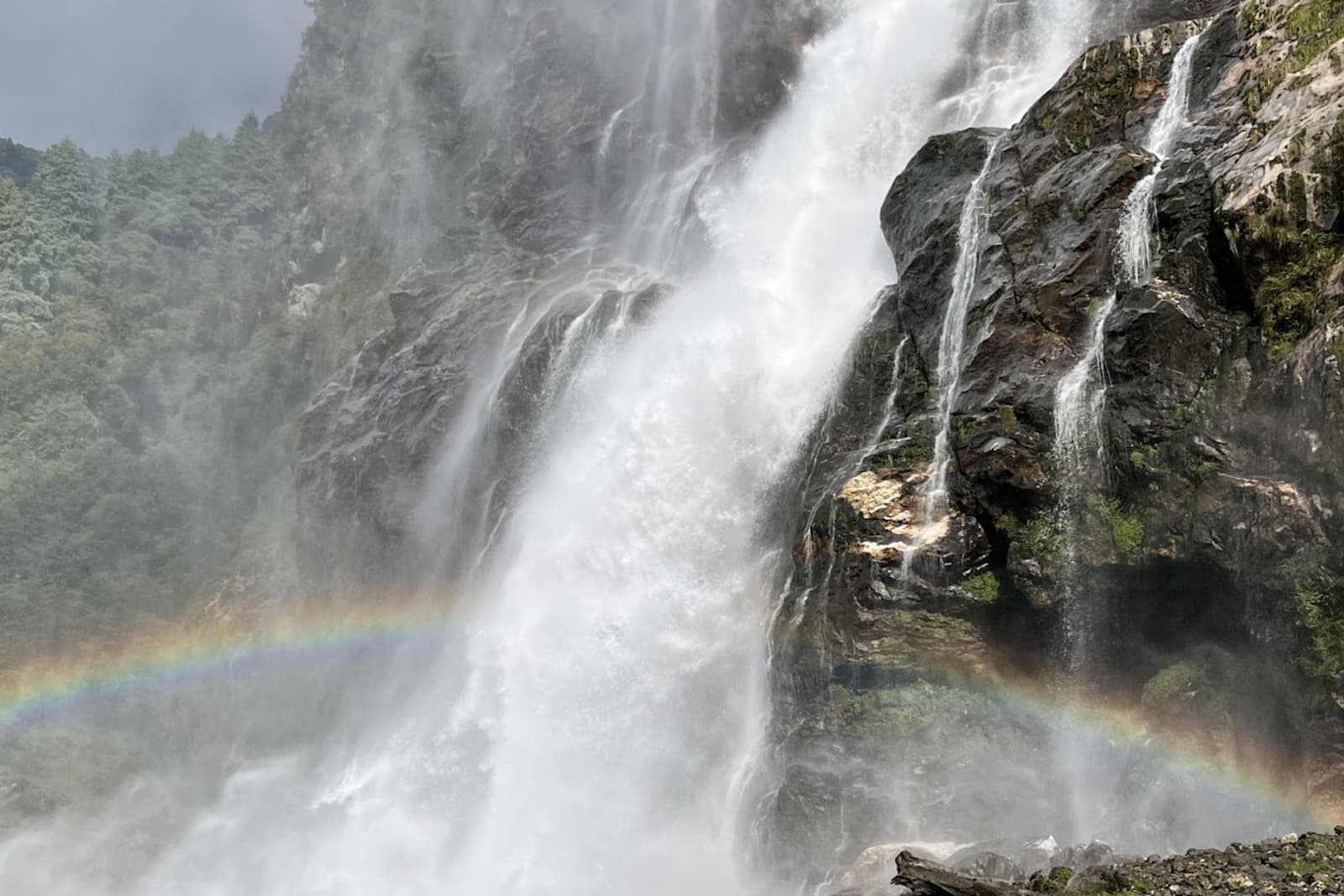
- Nuranang Falls (Jang Falls): Located 2 km from Jang town and 40 km before Tawang, the Nuranang River drops down a sheer 100-meter (328-foot) granite cliff before joining the Tawang Chu. Fed by glacial streams below Sela Pass, the falls supply a local hydel power installation at the base.
- Tawang War Memorial: Located in Tawang town, this 40-foot-tall Buddhist chorten-style memorial honors the 2,420 Indian Army soldiers who laid down their lives during the 1962 war. The complex houses a central stupa, brass inscription plaques detailing battle accounts, and a museum of wartime artifacts.
- Urgelling Monastery: Situated 5 km south of Tawang, this quiet 8th-century sanctuary founded by Urgen Sangpo represents the birthplace of the 6th Dalai Lama, preserving historic stone carvings and ancient prayer rooms.
Monpa Culture, Crafts & Highland Food Culture
The indigenous inhabitants of Tawang are the Monpa, a Tibeto-Burman community of devout Gelugpa Buddhists. Monpa social organization is structured around village councils headed by the Gaon Bura (village headman), emphasizing mutual aid and environmental conservation.
The Monpas practice specialized artisanal crafts:
- Dugu Shugu (Handmade Paper): In villages like Mukto (35 km from Tawang), artisans produce durable handmade paper from the bark of the local Daphne papyracea (Shugu Sheng) shrub, used for centuries to print Buddhist scriptures.
- Wood Carving & Mask Making: Monpa woodworkers carve wooden bowls (Zhong), folding tables (Choktse), and ceremonial masks used in monastic cham dances.
- Handloom & Carpet Weaving: Women weave sheep wool blankets, wrap-around skirts (Shingka), and dragon-motif wool carpets (Dan) on wooden frame looms.
Local Cuisine & Traditional Dishes
Highland food culture in Tawang is energy-dense and warming:
- Zan: The primary Monpa staple—a dense porridge prepared by stirring roasted finger millet, barley, or buckwheat flour into boiling water, served with boiled greens and spicy condiments.
- Gyapa Khazi: A savory fried rice specialty prepared with fermented dried yak cheese (Chhurpi), diced mountain potatoes, ginger, and chilies.
- Thukpa & Momos: Steamed flour dumplings filled with seasoned pork, beef, or local cabbage and cheese, alongside bowls of hand-pulled wheat noodle soup (Thukpa) in seasoned meat broth.
- Puta: Traditional handmade buckwheat noodles tossed with mustard oil, dried chili, and fermented cheese.
- Chhurpi Soup: A warming stew made from sun-dried fermented yak cheese simmered with dried red chilies and wild mountain herbs.
- Lukter: A dry chili condiment prepared by blending sun-dried meat flakes with roasted Bhut Jolokia (king chili) flakes and mustard oil.
- Suja (Butter Tea): Churned black tea brewed with brick tea leaves, fresh yak or cow butter, and rock salt, served continuously as an essential defense against alpine winds.
Transit Logistics, Acclimatization Strategy & Road Networks
Reaching Tawang requires disciplined overland planning:
- Overland Route Corridor: The standard route begins from Guwahati (445 km) or Tezpur (320 km) in Assam, crossing into Arunachal Pradesh at the Bhalukpong Checkpost. From Bhalukpong, the highway passes Tipi and the Nechiphu Tunnel to Bomdila (2,217m), descends into the Dirang Valley (1,560m), ascends through the Sela Tunnel (3,960m), and passes Jang before reaching Tawang (3,048m).
- Mandatory Acclimatization: Ascending directly from the Assam plains (50m) to Tawang (3,048m) or Sela Pass (4,170m) within 24 hours induces Acute Mountain Sickness (AMS). Travelers must schedule an overnight acclimatization stop in Dirang (1,560m) or Bomdila (2,217m) on the ascent.
- Sela Tunnel Impact: Operational since 2024, the Sela Tunnel bypasses the high 4,170-meter mountain crest, preventing winter snow blockages and reducing travel time between Dirang and Tawang by over an hour.
- Vehicle Selection: Sturdy high-ground-clearance SUVs (Innova Crysta, Scorpio, Bolero 4x4) are strongly recommended. Local 4x4 Gypsy or Tata Sumo vehicles are mandatory for the rocky route to Bum La and Sangestar Tso.
Practical Travel Guide (The Honest Guide)
Travel logistics in Tawang require careful advance preparation:
- Permit Protocols (ILP & PAP):
- Domestic Indian Tourists: Must obtain an Inner Line Permit (ILP) prior to arrival via official state portals (
eilp.arunachal.gov.inorarunachalilp.com). Standard fees are ₹300 for up to 3 days validity, and ₹500 for beyond 3 days up to 14 days validity. Carry multiple physical printed copies of the ILP and original government photo IDs for inspection at Bhalukpong and Sela checkpoints. - Bum La & Sangestar Tso Border Passes: Domestic tourists require additional border permits. Apply at the Deputy Commissioner's (DC) Office in Tawang town through a registered local tour operator (processing fee ~₹500 per vehicle), followed by validation at the Indian Army Brigade headquarters. Submit ILP copies, vehicle registration, and photo IDs one day in advance.
- Foreign Nationals: Require a Protected Area Permit (PAP), available only to groups of two or more travelers through certified tour operators (fee $50 USD per person for 30 days). Bum La Pass on the LAC is restricted to Indian nationals due to defense regulations, though Sangestar Tso can be visited with local clearances.
- Domestic Indian Tourists: Must obtain an Inner Line Permit (ILP) prior to arrival via official state portals (
- Altitude Acclimatization: Tawang sits at 3,048 meters, with day trips reaching 3,700m to 4,633m. Stay well-hydrated, avoid alcohol during the first 48 hours, and consult a doctor regarding Diamox. Portable oxygen cylinders are available in Tawang town pharmacies.
- Cash & Banking Realities: Tawang town has SBI, HDFC, and Axis Bank ATMs, but power failures and fiber optic cuts can disable cash machines and UPI networks. Carry ₹8,000 to ₹12,000 in physical cash per person from Tezpur or Guwahati.
- Winter Driving & Heating Infrastructure: From December to February, night temperatures reach -10°C. Roads near Sela and the high lakes can develop black ice. Most hotels rely on electric bed warmers, oil heaters, and traditional wood-burning stoves (Bukhari). Confirm heating arrangements before booking.
- Mobile Connectivity: BSNL provides the widest coverage across high mountain passes. Airtel and Jio offer 4G/5G mobile data throughout Tawang town and Jang, but coverage drops along the border lakes circuit.
Tawang Monastery, founded in 1680, is the largest Buddhist monastery in India and the second largest in the world after Lhasa.
TRAVEL PLANNING
Plan Your Visit
Essential guides to prepare for your trip
Itineraries & Trips
Curated 3-day, 5-day & 7-day trip routes
Places to Visit
Top waterfalls, viewpoints & landmarks
Best Time to Visit
When to go for the best experience
How to Reach
Flights, trains, taxis and road options
Where to Stay
Homestays, eco-lodges & resorts
Permits & Entry
Required documents and ILP pass guidance
Tawang Tour Packages
Ready-to-book Tawang tours


Need a Custom Plan?
As Northeast India locals, we work directly with our trusted community drivers and homestay hosts.
Talk to an ExpertTOP ATTRACTIONS
Places to Visit in Tawang
Must-see attractions and hidden gems across Tawang
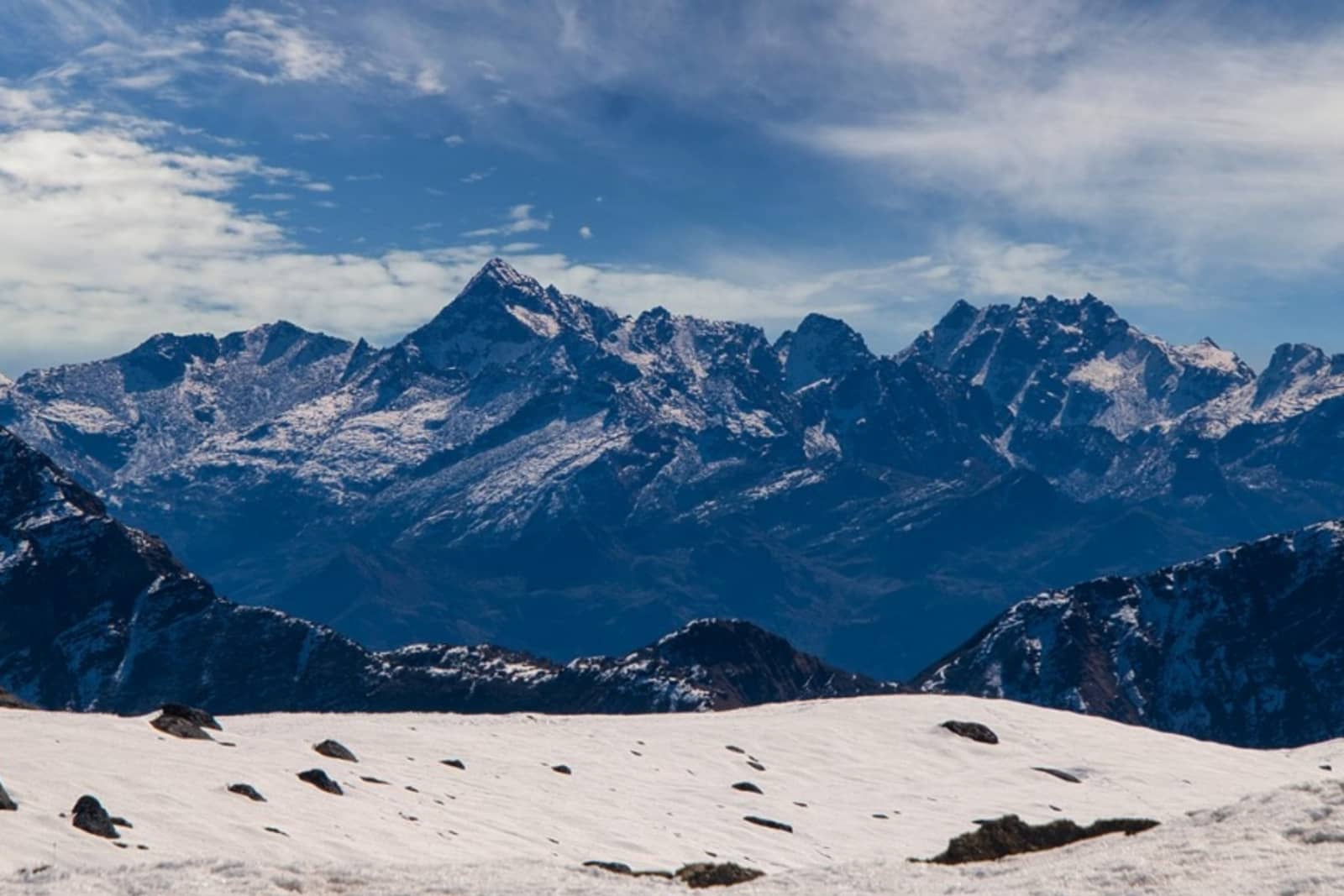

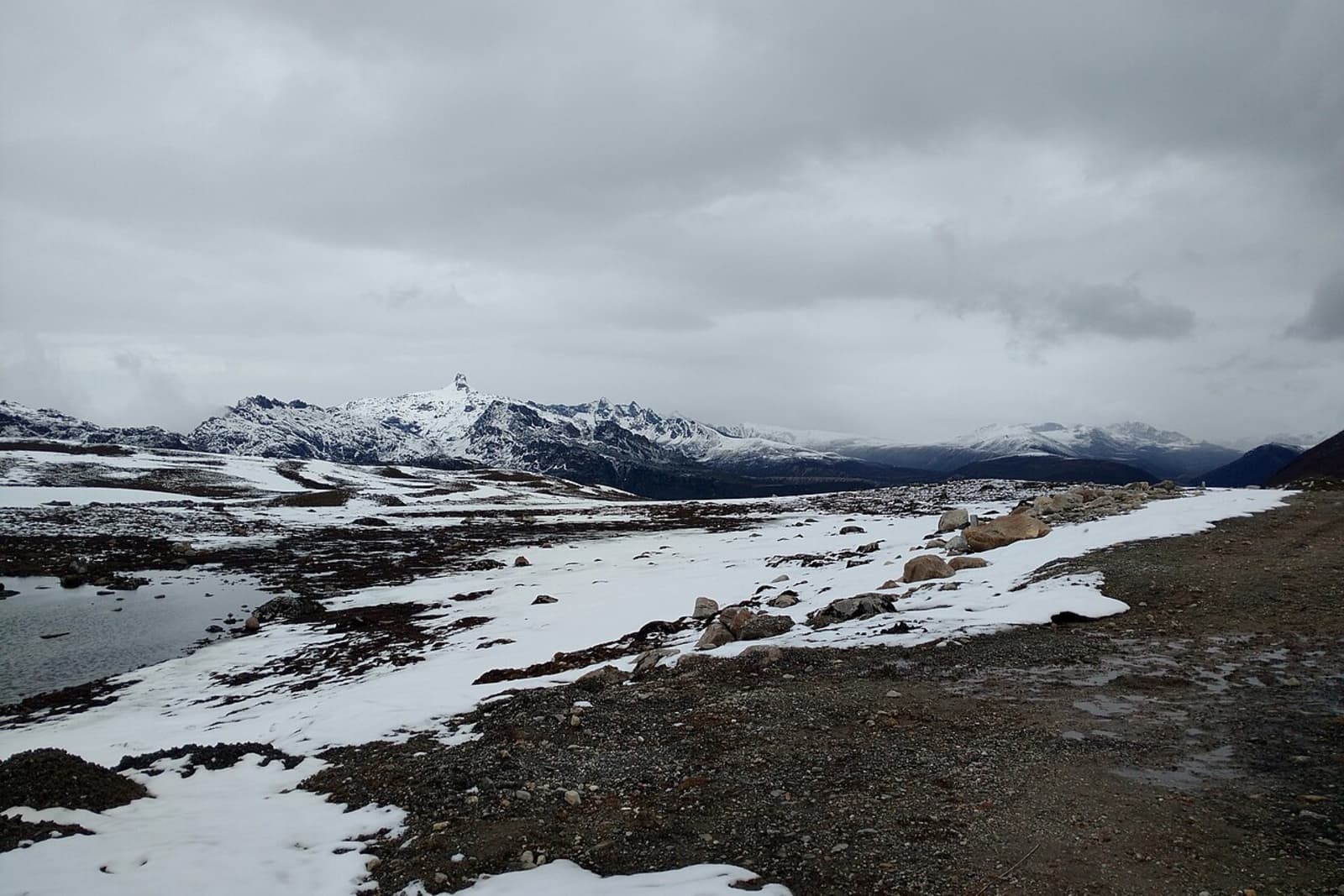
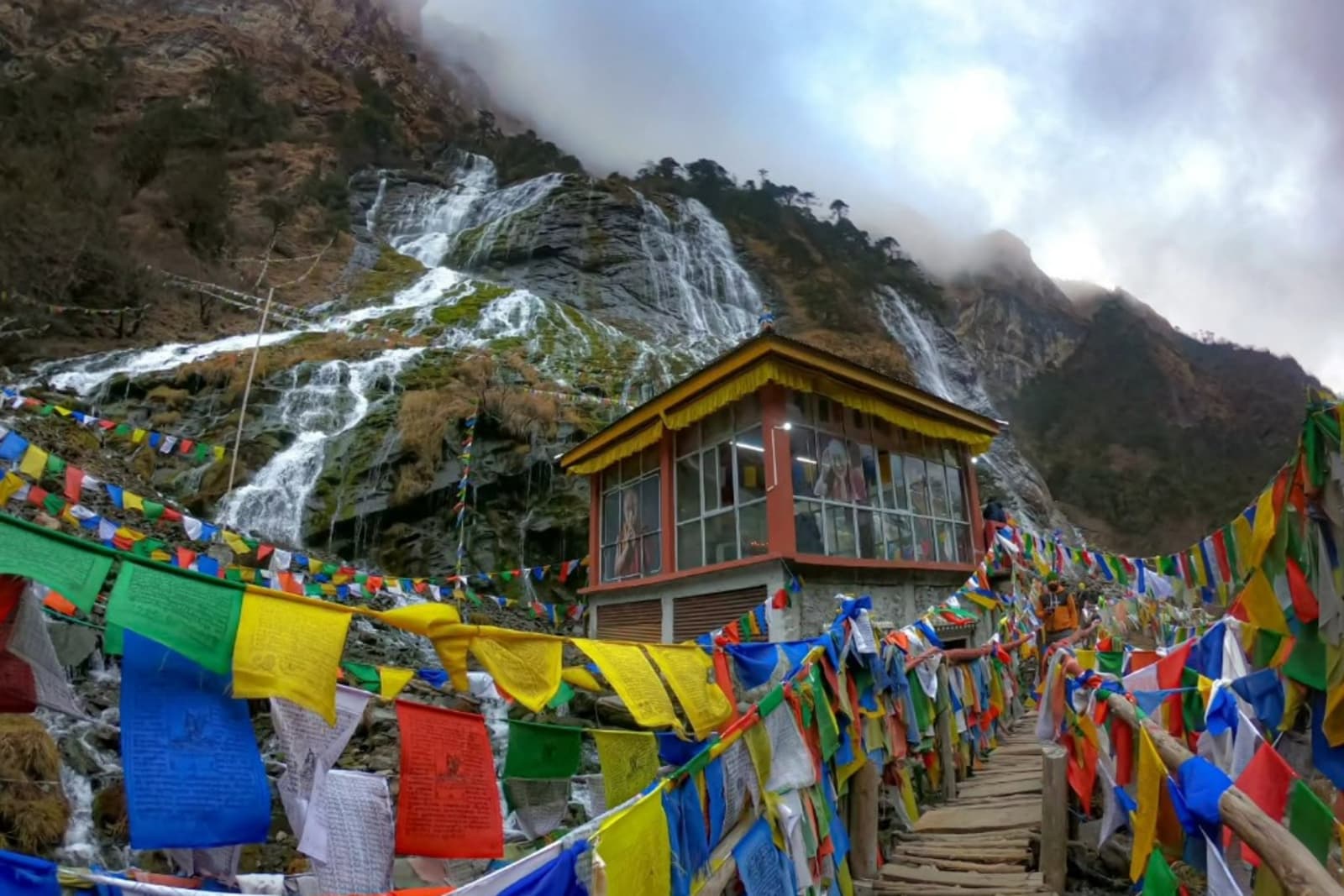




- Bum La Pass: The historic and rugged high-altitude frontier connecting India and Tibet
- Sangetsar Tso (Madhuri Lake): The hauntingly beautiful high-altitude lake of frozen pine trunks at 12,165 feet
- Panga Teng Tso: A sacred high-altitude glacial lake on the road to Bum La Pass
- Gribtsang Tso (Nagula Lake): The Sacred Alpine Mirror of the Bumla Sector
- Chumi Gyatse (Holy Water Falls): 108 Sacred Cascades on the Edge of the Tawang Frontier
- Sela Pass: Dramatic high-altitude mountain pass and the sacred gateway to Tawang
- Nuranang Falls: A spectacular 100-meter drop waterfall famously known as Jang Falls or Madhuri Falls
- Tawang Grand Monastery: Gaden Namgyal Lhatse - India's largest Buddhist monastery
- Urgelling Monastery: Oldest monastery in Tawang and the sacred birthplace of the 6th Dalai Lama
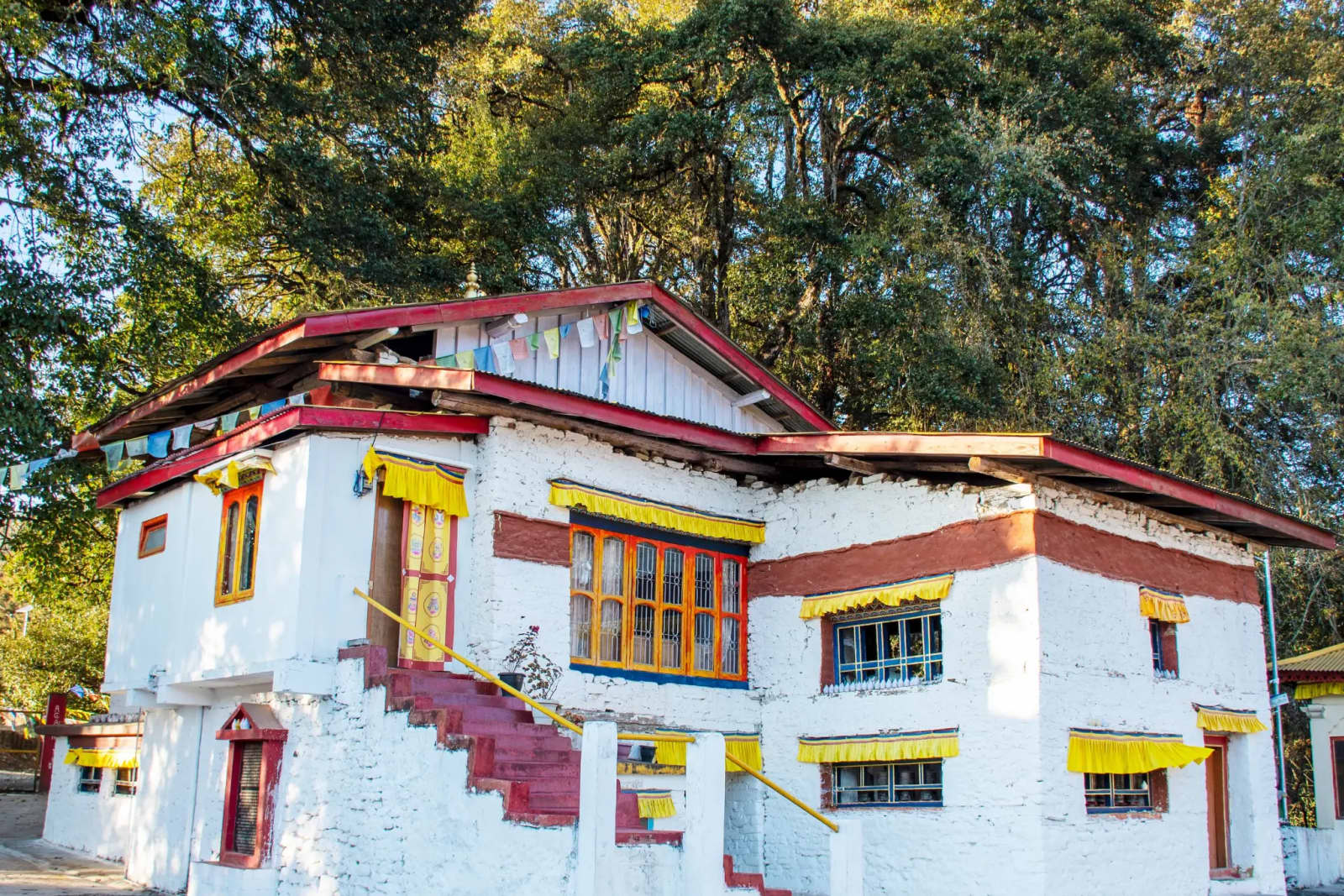
- Gyangong Ani Gompa: Serene hilltop Buddhist nunnery founded by Mera Lama
- Tawang War Memorial: Namgyal Chorten - Tribute to the brave martyrs of the 1962 Sino-Indian War
- Jaswant Garh War Memorial: Honoring the legendary heroism of Rifleman Jaswant Singh Rawat
How Many Days in Tawang?
Plan your own route — or let us handle everything
Things to Do in Tawang
Curated experiences and activities across Tawang by local experts
Where to Stay in Tawang
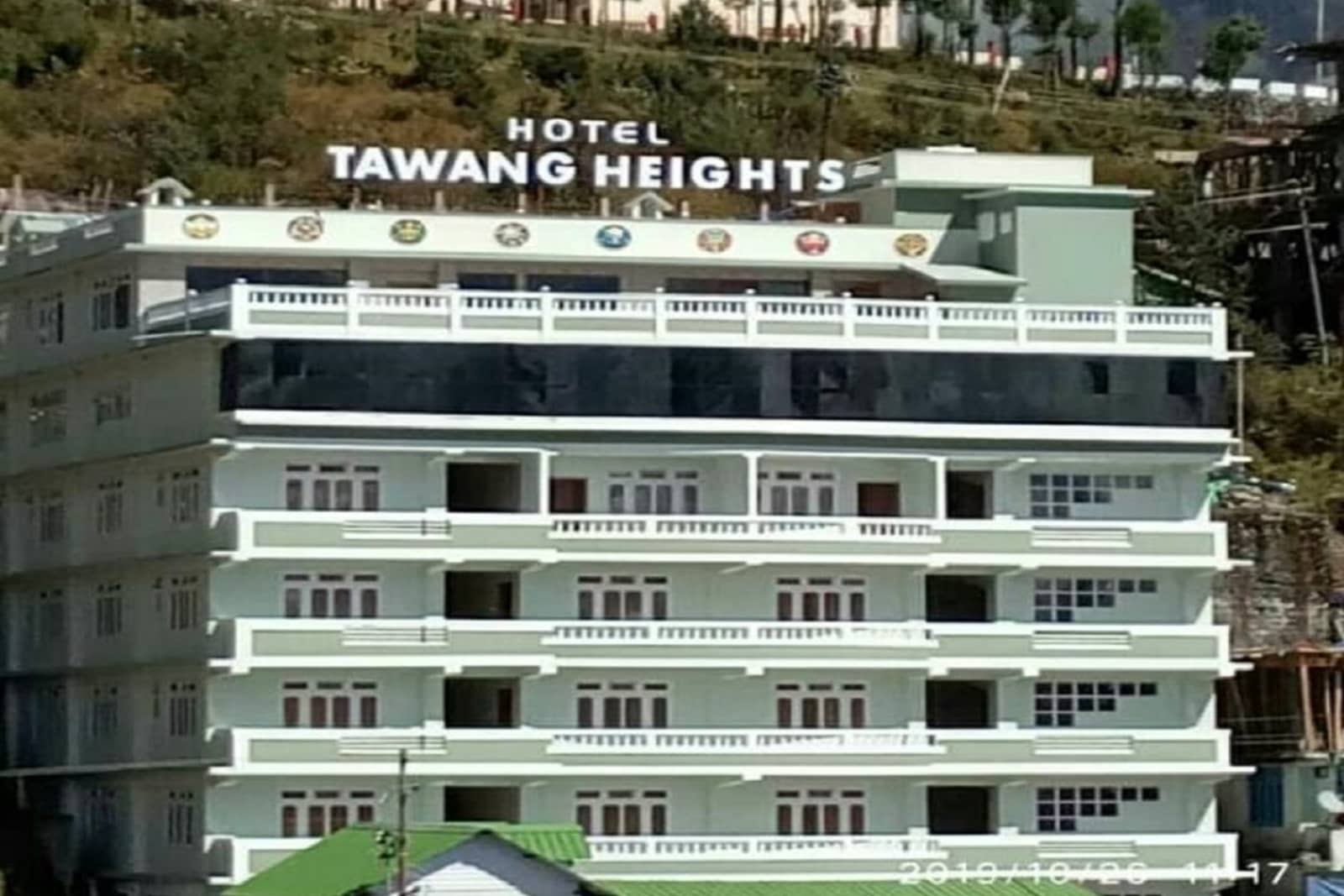
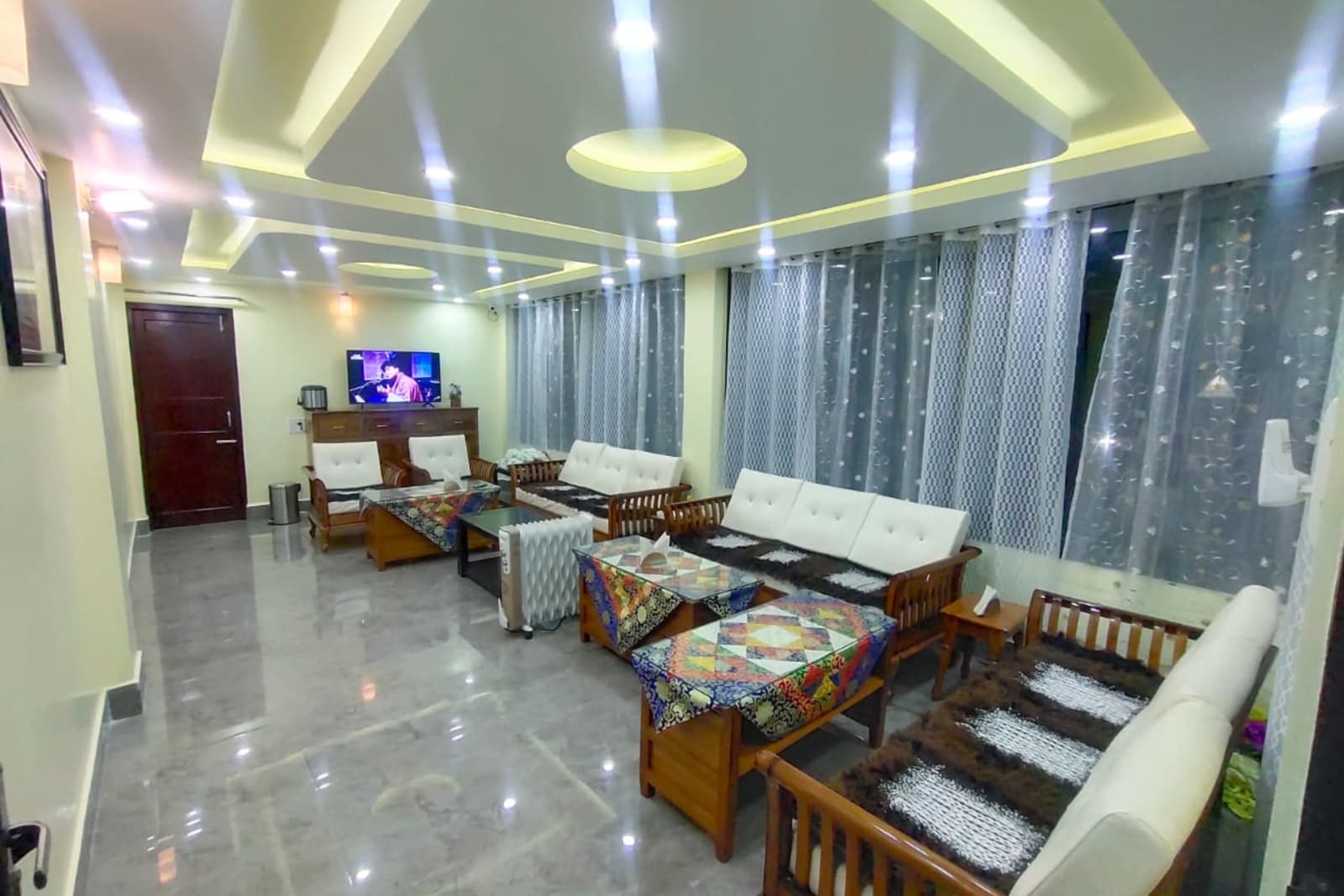
Verified stays in Tawang with local character


Getting Around
Safe, reliable transfers and car hire in Tawang
Practical Travel Realities & Local Tips
Terrain, ground rules, and essential preparation for Tawang
Tawang is a Moderate to Challenging high-altitude Himalayan destination requiring physical preparation and staged acclimatization:
- Altitude & AMS: Tawang town sits at 3,048 m (10,000 ft), Sela Pass at 4,170 m (13,700 ft), and Bum La Pass at 4,633 m (15,200 ft). Rapid ascent can trigger Acute Mountain Sickness (AMS). Staging your ascent with an overnight stay in Dirang (1,497 m) is mandatory. Drink 3–4 liters of water daily, avoid alcohol, and carry preventative medication (Diamox).
- Mountain Highway: 12–14 hours of winding roads with continuous switchbacks from Guwahati. Motion sickness medication is recommended for sensitive travelers.
- Sub-Zero Temperatures: Winter nights drop to -12°C. Layer with thermal innerwear, heavy down jackets, woolen caps, and windproof outer layers.
- Power & Heating: Power outages can occur during winter snowstorms or heavy rains. Stays rely on wood-burning stoves (Bukhari) or electric blankets with generator backup.
Local Culinary Traditions & Food
Authentic indigenous gastronomy, tribal flavours, and culinary culture in Tawang
The traditional food culture of the Monpa community is hearty, warming, and designed for high-altitude energy, utilizing locally grown grains, yak dairy, and wild forest herbs with minimal commercial spices:
- Zan: The signature Monpa staple porridge prepared by stirring roasted finger millet, buckwheat, or barley flour into boiling water. Paired with braised meat, wild greens, or spicy Chamin.
- Gyapa Khazi: A traditional Monpa spiced rice dish cooked with crumbled fermented yak cheese (Churpi), sun-dried river fish, wild chilies, fresh ginger, and rich yak butter.
- Churpi & Chamin: Fermented yak milk cheese. Soft churpi is cooked with fiery bird's-eye chilies and wild Sichuan pepper (timmur) into pungent Chamin gravy; hard smoked churpi is chewed on long alpine journeys.
- Khura & Po Cha: Golden buckwheat pancakes (Khura) paired with piping hot, salty churned yak butter tea (Po Cha / Suja) that prevents chapped lips and sustains body heat.
- Thukpa & Momos: Steamed handmade dumplings and steaming hand-pulled noodle broths filled with seasoned minced yak meat, pork, or mountain cabbage and fresh cheese.
Combine Tawang With
Extend your trip with nearby destinations
Travel Guides
Expert guides for Tawang
Reviews
"Visiting Tawang Monastery felt like home. Nezo arranged permits and transport seamlessly. The view from Sela Pass is unforgettable."
Tashi Dorji
Thimphu, Bhutan
"Tawang exceeded all expectations. The monastery is magnificent, and Madhuri Lake looks like a painting. Nezo handled the ILP process smoothly."
Ananya Reddy
Hyderabad, India
"The drive to Tawang through Sela Pass is an adventure in itself. Nezo arranged a comfortable SUV and a great Monpa guide for the monastery tour."
Michael Torres
Melbourne, Australia
PLAN YOUR TRIP
FAQs
Can't find the answer you're looking for? Our expert travel team is always on hand to help you plan the perfect Tawang experience.
Ready to Explore Tawang?
Let our local experts help you plan the perfect trip. Get personalized recommendations and instant quotes.