
Mawlynnong (Asia's Cleanest Village)
Updated 2026Asia's Cleanest Village & Living Root Bridge Gateway
1st in Asia
Cleanest Village Award
100%
Literacy Rate
Single Decker
Living Root Bridge
1+
Curated Trips
| Category | Detail |
|---|---|
| Altitude / Elevation | 490m |
| Best Time to Visit | October to May |
| Coordinates | 25.2017° N, 91.9160° E |
| Distance from Shillong | 90 km (2.5 - 3 hours via NH206) |
| Nearest Airport | Shillong (SHL - 85 km) / Guwahati (GAU - 172 km) |
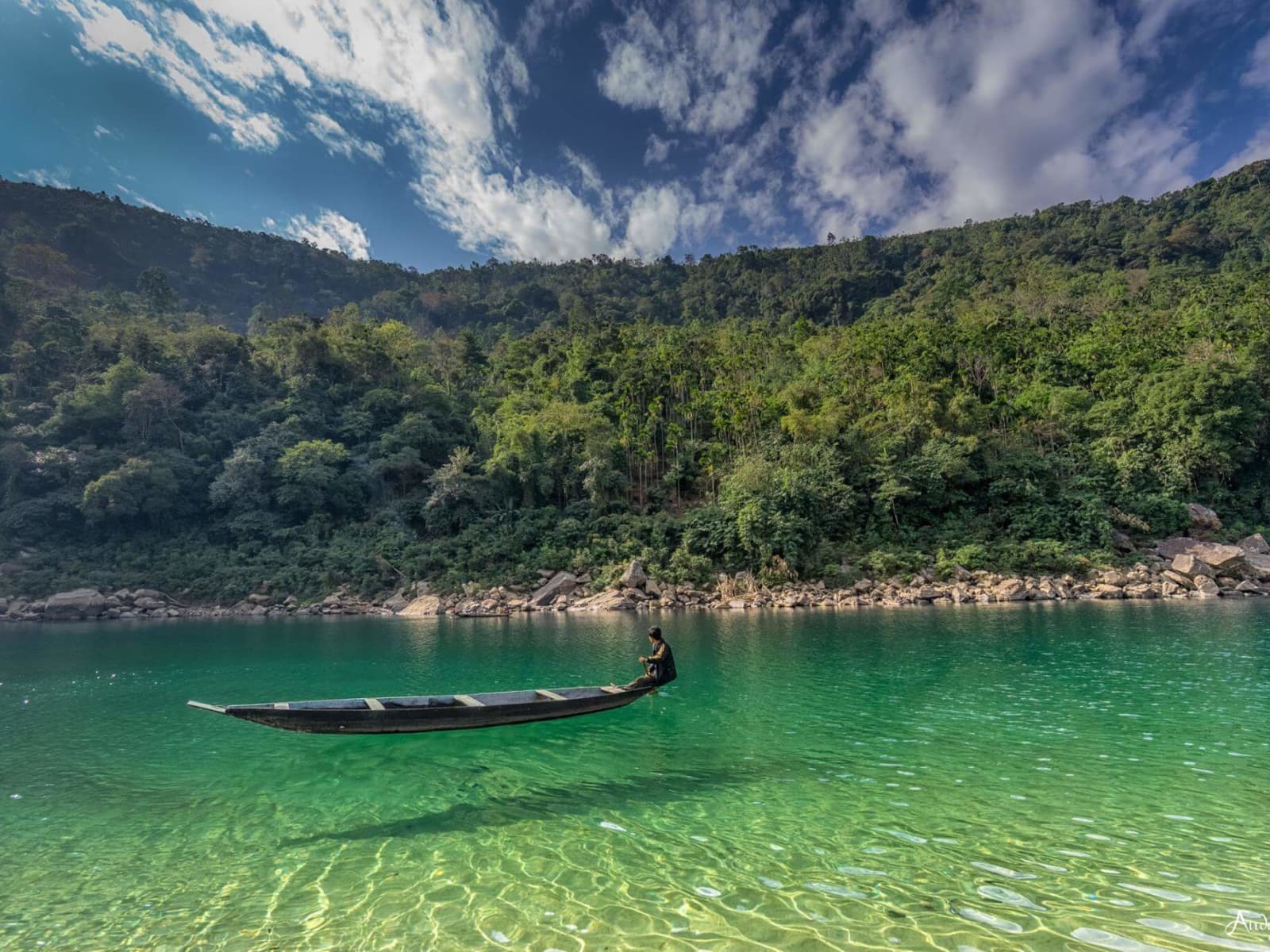
Mawlynnong (God's Own Garden) is an eco-locality situated in the East Khasi Hills district of Meghalaya, India, perched at an altitude of 490 meters above sea level. Located 90 km south of Shillong and 19 km west of Dawki, Mawlynnong is internationally famous for being awarded "Asia's Cleanest Village", featuring flower-lined cobblestone footpaths, conical bamboo dustbins, Nohwet Skywalk, and the neighboring Riwai Living Root Bridge.
Where betel nut palms rustle over hand-swept cobblestone lanes, the scent of crushed wild orchid and rain-dampened earth fills the subtropical air. In Mawlynnong, bamboo broomsticks sweep lotus flower pathways at dawn as clear stream waters flow past century-old thatched stilt dwellings.
No Inner Line Permit (ILP) required for Indian citizens visiting Meghalaya or Mawlynnong. Nominal village entry fee of ₹50 per vehicle.
Geography, Topography & Southern Escarpment
Mawlynnong is an eco-village situated in the East Khasi Hills district of Meghalaya, India, perched at an altitude of 490 meters above sea level. Positioned 90 km south of Shillong and 19 km west of the Dawki India-Bangladesh border along the southern slopes of the Meghalayan plateau, Mawlynnong achieved international fame when Discover India magazine declared it "Asia's Cleanest Village" in 2003, followed by a detailed BBC feature in 2005.
Mawlynnong lies on the southern escarpment of the East Khasi Hills, where the high-altitude pine forests of Shillong transition into warm, lush subtropical rainforests overlooking the fertile floodplains of Sylhet in Bangladesh. At 490 meters elevation, Mawlynnong experiences warmer temperatures than Shillong or Cherrapunji, with daytime temperatures ranging between 12°C and 28°C.
The region receives abundant rainfall during the Indian monsoon season from June to September, averaging approximately 11,000 mm annually. This heavy rainfall nourishes dense green canopies, blooming orchids, Areca nut palms, and fast-flowing mountain streams, creating an evergreen garden environment year-round.
Cleanliness Tradition & The Dorbar Shnong Governance
The legendary cleanliness of Mawlynnong is not a commercial tourism initiative; it is an ancestral way of life governed by the Dorbar Shnong (the traditional Khasi village council). Hygiene habits are taught to children from early childhood. Every morning at dawn, villagers sweep pedestrian cobblestone pathways, remove fallen leaves, and tend to public flower gardens.
- Conical Bamboo Dustbins (Kho-rum): Woven by local craftsmen from indigenous bamboo, conical trash baskets called Kho-rum are placed at 30-meter intervals along every paved footpath.
- Zero Single-Use Plastic Mandate: Single-use plastic bags and disposable bottles are strictly prohibited within village boundaries. All collected organic leaf waste is composted in dedicated garden pits to fertilize public flower beds.
- Sanitation 100% Coverage: Long before national sanitation campaigns, every household in Mawlynnong built and maintained functional indoor pour-flush toilets.
Living Root Bridges of Riwai & Nohwet Skywalk
Mawlynnong serves as the primary gateway to the historic bio-engineering marvels of the East Khasi Hills:
- Riwai Living Root Bridge (Jingmaham): Located in the neighboring hamlet of Riwai just 2 km from Mawlynnong, this single-decker living root bridge spans across a crystal-clear jungle stream. Woven over generations by Khasi ancestors guiding the aerial roots of Ficus elastica (Indian rubber trees) across betel palm hollows, the bridge continues to grow stronger over time as living root tissues self-graft into a sturdy pedestrian deck.
- Nohwet Sky Walk (Bamboo Observation Deck): Built entirely from local bamboo, cane, and timber rope ties by village youths, the Nohwet Sky Walk is an elevated canopy deck suspended 26 meters above the forest floor. Visitors ascending the bamboo ladders enjoy panoramic views across the tree canopy into the vast Sylhet plains of Bangladesh.
- Maw Ryngkew Sharatia (Balancing Rock): A natural geological anomaly located within Mawlynnong village where a massive granite boulder rests naturally on a tiny stone pedestal, remaining completely stable despite monsoons and seismic tremors.
Local Khasi Architecture & Matrilineal Heritage
Mawlynnong is inhabited by the indigenous Khasi people, who follow a traditional matrilineal social structure where family lineage and property inheritances pass through the youngest daughter (Khaddu). Traditional dwellings in Mawlynnong feature elevated bamboo stilt foundations, woven bamboo wall panels, wooden timber framing, and high-pitched thatched or corrugated tin roofs designed to shed heavy monsoon downpours.
At the center of the village stands the historic Church of the Epiphany, a black stone Anglican church constructed in 1902 by Welsh Christian missionaries. Its Gothic-inspired stone steeple and red roof rise above manicured churchyard lawns, reflecting the village's deep-rooted Christian heritage.
Local Food Culture & Tribal Cuisine
Dining in Mawlynnong centers around fresh, home-cooked Khasi dishes served in family-run homestays and village tea stalls:
- Jadoh: Fragrant local hill rice cooked with succulent meat, lard, and subtle local spices.
- Tungrymbai: Traditional fermented soybean paste sautéd with ginger, garlic, green chilies, and black sesame seeds.
- Doh Nei-Iong: Tender pork or chicken braised in a velvety dark sauce of roasted black sesame seeds (Nei-Iong) and ginger.
- Puitaro & Ja-shulia: Steamed ground red rice cakes enjoyed hot alongside black tea (Sha Phiah).
How to Reach & Transit Logistics
Mawlynnong is well-connected by paved mountain highways:
- From Shillong (90 km / 2.5–3 hours): Take the Shillong-Dawki Highway (NH206) south past Pynursla plateau before taking the right turnoff down to Mawlynnong village.
- From Guwahati Airport (172 km / 4.5–5 hours): Drive via NH6 to Shillong, then continue south via NH206 to Mawlynnong.
- From Dawki / Bangladesh Border (19 km / 45 minutes): Mawlynnong is an easy 45-minute drive west of Dawki's Umngot River boating hub.
Practical Travel Guide (The Honest Guide)
- Village Entry Fee: A nominal vehicle maintenance fee of ₹50 per car is collected at the village gate by the Dorbar Shnong.
- Cash Dependency: There are no ATMs in Mawlynnong. Carry sufficient cash from Shillong or Pynursla for homestays, meals, and local site passes (Riwai root bridge entry: ₹40, Nohwet skywalk entry: ₹30).
- Mobile Signal: Jio and Airtel offer reliable 4G coverage in Mawlynnong village center, while BSNL provides rural fallback.
- Eco-Decorum: Respect private garden boundaries, do not pluck flowers, and strictly use bamboo dustbins for litter.
Mawlynnong is part of the breathtaking Northeast India region, known for its pristine natural beauty, rich tribal culture, and unique biodiversity.
TRAVEL PLANNING
Plan Your Visit
Essential guides to prepare for your trip
Itineraries & Trips
Curated 3-day, 5-day & 7-day trip routes
Places to Visit
Top waterfalls, viewpoints & landmarks
Best Time to Visit
When to go for the best experience
How to Reach
Flights, trains, taxis and road options
Where to Stay
Homestays, eco-lodges & resorts
Festivals & Events
Cultural celebrations & seasonal events
Mawlynnong Tour Packages
Ready-to-book Mawlynnong tours
Need a Custom Plan?
As Northeast India locals, we work directly with our trusted community drivers and homestay hosts.
Talk to an ExpertTOP ATTRACTIONS
Places to Visit in Mawlynnong
Must-see attractions and hidden gems across Mawlynnong
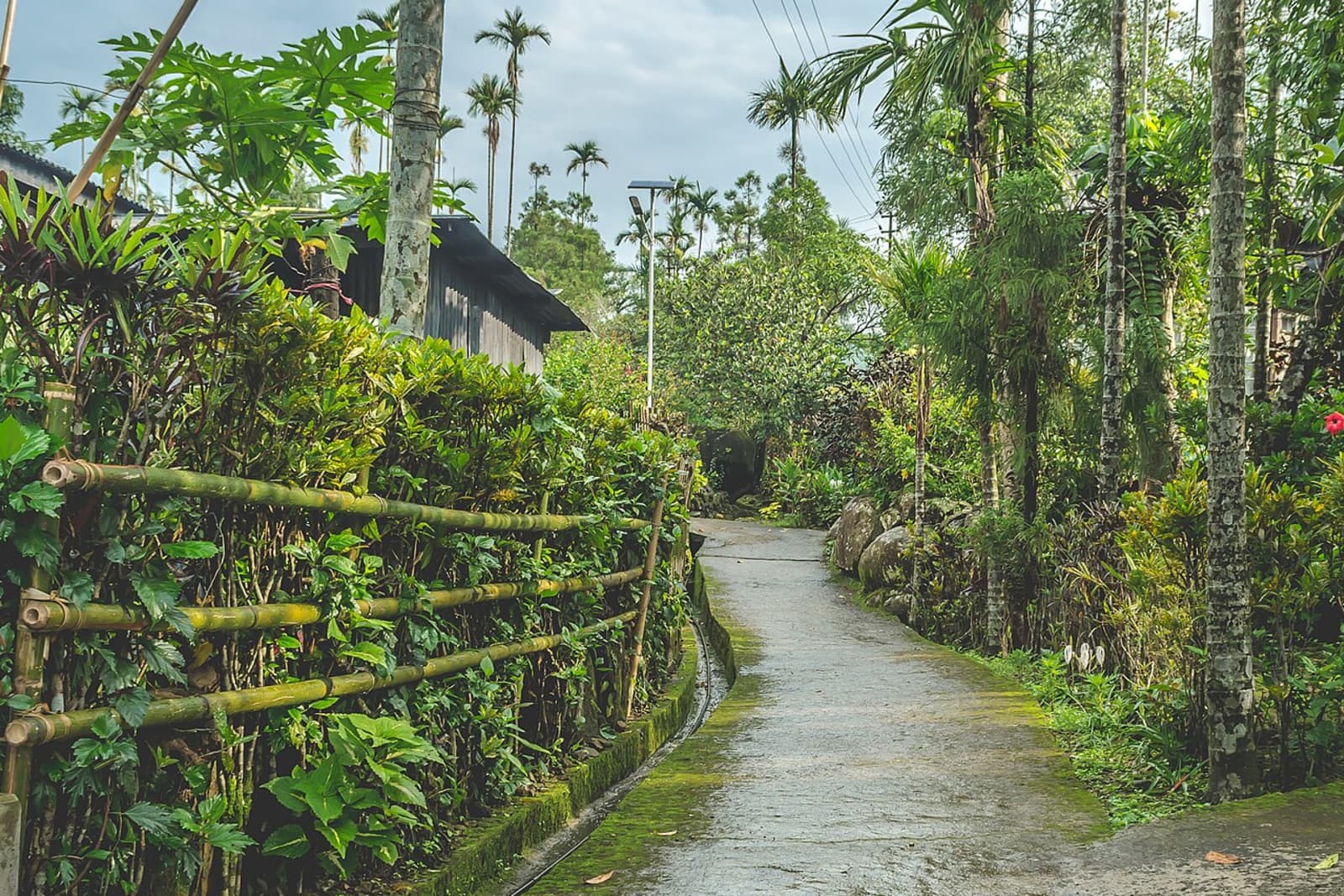

- Mawlynnong Village: Explore Asia's cleanest village, famed for its community-led conservation and rich Khasi culture.
- Riwai Living Root Bridge: Living Botanical Architecture
How Many Days in Mawlynnong?
Plan your own route — or let us handle everything
Things to Do in Mawlynnong
Curated experiences and activities across Mawlynnong by local experts
Where to Stay in Mawlynnong
Verified stays in Mawlynnong with local character
Getting Around
Safe, reliable transfers and car hire in Mawlynnong
Practical Travel Realities & Local Tips
Terrain, ground rules, and essential preparation for Mawlynnong
Terrain & Fitness Requirements
Mawlynnong village features gentle, hand-paved cobblestone walkways accessible to all ages, while exploring Riwai living root bridge and Nohwet skywalk requires moderate walking down stone steps and ascending bamboo ladders.
Flat to gently sloped cobblestone footpaths winding past flower gardens and homestays. Suitable for all age groups and family travelers.
A 10-to-15-minute walk down approximately 120 stone steps from the Riwai parking area to the stream. Steps can be slick during monsoon.
Climbing sturdy bamboo ladders and walking on suspended bamboo observation decks 26 meters above the forest floor. Requires basic balance and steady footing.
Local Culinary Traditions & Food
Authentic indigenous gastronomy, tribal flavours, and culinary culture in Mawlynnong
Local food in Mawlynnong is fresh, organic, and rooted in Khasi culinary tradition. Homestays and village eateries serve piping hot home-cooked meals featuring garden vegetables and local spices.
Jadoh
Classic Khasi dish of hill rice cooked with succulent meat, lard, and subtle local herbs.
Tungrymbai
Savory fermented soybean paste sautéd with ginger, garlic, green chilies, and black sesame seeds.
Doh Nei-Iong
Tender pork or chicken cooked in a rich, dark gravy made from roasted black sesame seeds and fresh ginger.
Puitaro & Ja-shulia
Traditional steamed Khasi rice cakes made from ground red rice, served with hot tea at village tea stalls.
Bamboo Shoot & Organic Veggie Fry
Freshly harvested wild bamboo shoots and garden greens fried with light spices.
Combine Mawlynnong With
Extend your trip with nearby destinations
Travel Guides
Expert guides for Mawlynnong
Reviews
"Nezo Tours organized our fantastic trip. The team was attentive and flexible, accommodating last-minute changes to suit our needs."
Yamini Peter
Mumbai, Maharashtra
"We got the best service than expected. The guide was very friendly and very very helpful, throughout our journey he guided us."
Ammiel Shabong
Shillong, Meghalaya
"Service was excellent. Prices were the best compared to those offered by others. All in all a satisfying experience. Definitely recommended."
Pradeep Agarwal
Delhi, India
PLAN YOUR TRIP
FAQs
Can't find the answer you're looking for? Our expert travel team is always on hand to help you plan the perfect Mawlynnong experience.
Ready to Explore Mawlynnong?
Let our local experts help you plan the perfect trip. Get personalized recommendations and instant quotes.