
Shergaon (Senchong)
Updated 2026The Apple & Kiwi Valley of the Sherdukpen Heartland
1,980 m
Valley Elevation
Sherdukpen
Ancestral Homeland
Silver 2023
Best Tourism Village
1+
Curated Trips
| Category | Detail |
|---|---|
| Altitude / Elevation | 1,980 m / 6,500 ft (Village floor); 2,336 m / 7,664 ft (Horticulture Farm) |
| Annual Rainfall | 1,850 mm |
| Best Time to Visit | March to May (Apple Blossoms & Birding) & September to November (Apple & Kiwi Harvest) |
| Coordinates | 27°07′25″ N, 92°15′19″ E |
| Driving From Guwahati | 240 km (6–7 hours via Kalaktang corridor) |
| Driving From Tezpur | 180 km (4.5–5.5 hours via Kalaktang corridor) |
| Driving To Bomdila | 55 km (1.5–2 hours via Rupa) |
| Driving To Tawang | 225 km (7–8 hours via Dirang & Sela Tunnel) |
| National Award | Best Tourism Village of India (Silver) 2023 by Ministry of Tourism |
| Permit Requirement | ILP required for Indian citizens; PAP for foreign nationals |
| Tribal Heritage | Ancestral homeland of the indigenous Sherdukpen tribe |
Shergaon (Senchong) is a temperate mountain valley village and sub-divisional administrative center in West Kameng District, southwestern Arunachal Pradesh, situated at an altitude of 1,980 meters (6,500 feet) above sea level. Located 240 km north of Guwahati via the Trans-Arunachal Kalaktang corridor, it serves as the ancestral cultural cradle of the Sherdukpen community, renowned for extensive organic apple and kiwi orchards, the 17th-century Zengbu Gompa, cold-water trout streams, and pioneering community-led biodiversity conservation.
The crisp, pine-scented breeze at 1,980 meters carries the faint sweetness of ripening apples and wild Himalayan blossoms as morning fog clears above the Chuskar River valley. Distant wooden prayer wheels click softly near Zengbu Gompa, punctuated by the rhythmic thumping of handlooms and the crackle of pine logs warming a traditional Sherdukpen hearth.
Inner Line Permit (ILP) is required for domestic Indian travelers (apply online at eilp.arunachal.gov.in or arunachalilp.com; fee: ₹300 up to 3 days, ₹500 beyond 3 days up to 14 days). Foreign tourists require a Protected Area Permit (PAP, US$ 50) for min 2 persons through registered tour operators. Verified at Balemu or Bhalukpong checkpoints.
Geography, Valley Topography & Himalayan Microclimate
Shergaon is set within a fertile, bowl-shaped mountain amphitheater carved by the Chuskar River (Choskorong Kho) and its feeder streams in southwestern West Kameng District. Valley floor elevations average 1,980 meters (6,500 feet) above sea level, rising gradually to 2,336 meters (7,664 feet) along the upper ridge of the State Horticulture Farm.
The terrain transitions smoothly from alluvial river pebble terraces and cultivated orchard terraces into dense temperate evergreen and broadleaf forests. The surrounding canopy is dominated by blue pine (Pinus wallichiana), Himalayan oak (Quercus leucotrichophora), alder, wild rhododendron, and indigenous bamboo thickets (Arundinaria). Sheltered by surrounding mountain ridges from the intense gale-force winds that batter the higher Himalayan passes further north, Shergaon enjoys a temperate highland microclimate characterized by warm, sunlit daytime temperatures, crisp evening air, and moderate annual rainfall averaging 1,850 mm.
Sherdukpen Heritage, Ancestral Lineage & Customary Governance
Shergaon is the historic cultural heartland of the indigenous Sherdukpen community, a distinct Tibeto-Burman group of approximately 5,000 people whose cultural heritage bridges the high Himalayas and the Assam plains. According to oral genealogies and historical records, the Sherdukpen trace their ancestry to Asu Jowo, a Tibetan royal prince who migrated south across the passes and married an Assamese princess, uniting Himalayan Buddhist nobility with the traditions of the Brahmaputra valley.
The Sherdukpen community practices a harmonious synthesis of Gelugpa Mahayana Buddhism and ancestral animist nature traditions. Social governance has historically been maintained through the customary village council (Jung), presided over by village elders and the historic lineage of the Seven Kings (Saat Rajas). This customary framework enforces strict community conservation taboos, protecting sacred forest groves (Phu) and prohibiting destructive logging or fishing along the Chuskar River corridor.
Two major community observances define the village calendar:
- Khiksaba: The primary post-harvest agrarian celebration of the Sherdukpen, held annually in November or December. Unlike Buddhist liturgical ceremonies, Khiksaba honors forest deities and ancestral guardians through sacred masked dances, rhythmic invocations, ceremonial archery, and communal feasts.
- Kro-Chhekor: Celebrated in May or June, this spiritual procession involves carrying sacred Buddhist scriptures (Kangyur and Tengyur) from Zengbu Gompa in a ceremonial circumambulation across all village fields and orchards to invoke blessings for crop fertility, abundant rainfall, and protection against agricultural pests.
Horticulture, Apple Cultivars & Cold-Water Aquaculture
Shergaon has earned national distinction as the horticultural hub of Western Arunachal Pradesh. In 1979, the Arunachal Pradesh Department of Horticulture and Fisheries established the State Horticulture Farm & Trout Breeding Center across 50 hectares of terraced hillside at an elevation of 2,336 meters.
The farm serves as a living research station and germplasm repository, cultivating over 40 heritage and commercial varieties of apples (including Golden Delicious, Royal Gala, Red Chief, and Granny Smith), as well as organic Hayward kiwis, Japanese persimmons (kaki), sweet cherries, European plums, walnuts, and chestnuts. The adjacent cold-water hatchery channels spring-fed snowmelt streams to rear rainbow and brown trout, supplying fingerlings to community aquaculture ponds across the district.
Inspired by the success of the government farm, village families have transformed the surrounding slopes into flourishing private orchards. In 2023, the Government of India Ministry of Tourism awarded Shergaon the Best Tourism Village of India (Silver Category), recognizing its community-driven agro-tourism model and commitment to sustainable organic cultivation without synthetic fertilizers.
Sacred Landmarks & Community-Conserved Sanctuaries
- Zengbu Gompa (Dzongbu Monastery): Perched on a forested ridge overlooking the village terraces, this 17th-century monastery is the spiritual epicenter of Shergaon. It houses sacred antique murals, wooden prayer cylinders, and religious scriptures, framed by centuries-old blue pines and fluttering prayer flags.
- Buddha Heritage Park: Set upon an elevated meadow, this serene public space features a monumental golden statue of Shakyamuni Buddha gazing across the valley, offering sweeping views of the orchard landscape against distant mountain silhouettes.
- Choskorong Waterfall: Located 3 km from the village center along the Chuskar river trail, this multi-tiered forest cascade is reached via a gentle 45-minute nature walk across rustic bamboo bridges and moss-lined forest footpaths.
- Garung Thuk Community Conserved Forests: Established in 2014 by local Sherdukpen youth, the grassroots NGO Garung Thuk ("Our Village") oversees community biodiversity reserves that safeguard critical habitats for rare Himalayan wildlife, including red pandas, clouded leopards, Asiatic black bears, and over 200 resident and migratory bird species.
- Gateway to Eaglenest Wildlife Sanctuary: Situated just 35 km away via Rupa and Tenga, Shergaon serves as an ideal low-altitude base for birdwatchers heading to Eaglenest, world-renowned for harboring over 500 avian species, including the critically endangered Bugun Liocichla (Liocichla bugunorum).
The Seasonal Rhythms & Orchard Cycles of the Valley
The rhythm of daily life in Shergaon follows the seasonal transformations of its mountain valley:
- Spring Blossom (March to May): The valley awakens as thousands of apple, cherry, and plum trees burst into white and pale pink blossoms. Temperatures range between 12°C and 22°C, accompanied by wild orchids blooming across the damp forest understory and the return of breeding Himalayan songbirds.
- Monsoon Abundance (June to August): Warm rainclouds nurture the terraced fields, filling mountain streams and cloaking the pine forests in rolling clouds. While rainfall is substantial (1,850 mm annually), the valley's sheltered topography prevents the severe soil erosion common to steeper frontier gorges.
- Autumn Harvest (September to November): The most celebrated travel window. Clear sapphire skies and crisp mountain air (8°C to 18°C daytime) accompany the harvesting of crisp organic apples, fuzzy kiwis, and golden persimmons. The village buzzes with activity as families harvest fruit, dry persimmons on rooftop frames, and prepare for the post-harvest Khiksaba festivities.
- Winter Fireside (December to February): Chilly, bright days give way to freezing nights (-2°C to 4°C). As orchard trees enter winter dormancy, village life gathers around traditional indoor woodfire hearths (thap), where handloom weavers craft intricate Sherdukpen wool and cotton textiles and monks chant morning prayers at Zengbu Gompa.
Shergaon is part of the breathtaking Northeast India region, known for its pristine natural beauty, rich tribal culture, and unique biodiversity.
TRAVEL PLANNING
Plan Your Visit
Essential guides to prepare for your trip
Itineraries & Trips
Curated 3-day, 5-day & 7-day trip routes
Places to Visit
Top waterfalls, viewpoints & landmarks
Best Time to Visit
When to go for the best experience
How to Reach
Flights, trains, taxis and road options
Where to Stay
Homestays, eco-lodges & resorts
Permits & Entry
Required documents and ILP pass guidance
Shergaon Tour Packages
Ready-to-book Shergaon tours

Need a Custom Plan?
As Northeast India locals, we work directly with our trusted community drivers and homestay hosts.
Talk to an ExpertTOP ATTRACTIONS
Places to Visit in Shergaon
Must-see attractions and hidden gems across Shergaon


- Buddha Heritage Park: A majestic golden Buddha statue in a peaceful mountain park
- Zengbu Gompa: Ancient hilltop sanctuary of the Sherdukpen tribe
- Shergaon State Horticulture Farm: Arunachal's premier temperate orchard and trout breeding station
How Many Days in Shergaon?
Plan your own route — or let us handle everything
Things to Do in Shergaon
Curated experiences and activities across Shergaon by local experts
Where to Stay in Shergaon
Verified stays in Shergaon with local character


Getting Around
Safe, reliable transfers and car hire in Shergaon
Practical Travel Realities & Local Tips
Terrain, ground rules, and essential preparation for Shergaon
Shergaon is classified as an Easy destination suitable for families, senior citizens, and leisure travelers.
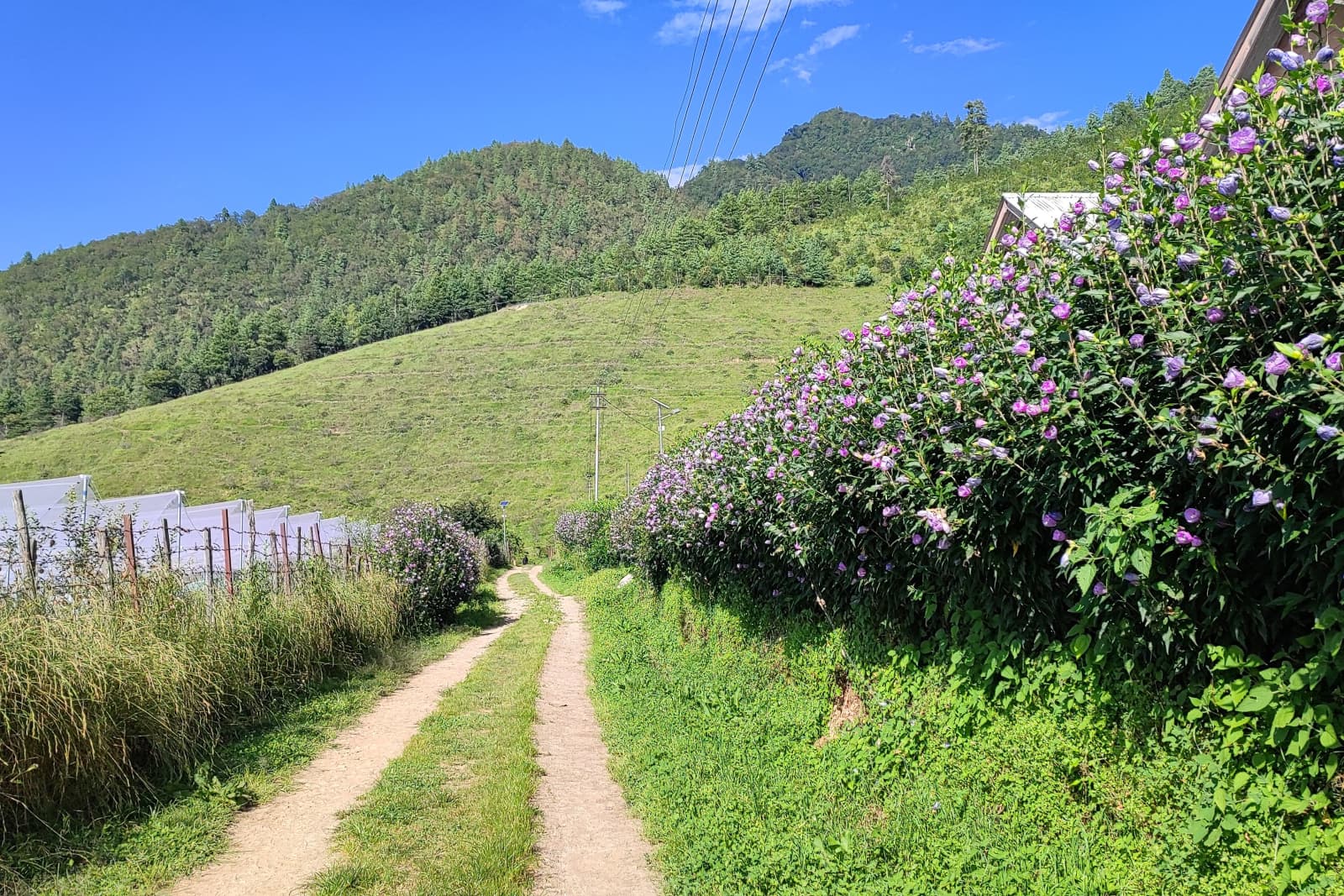
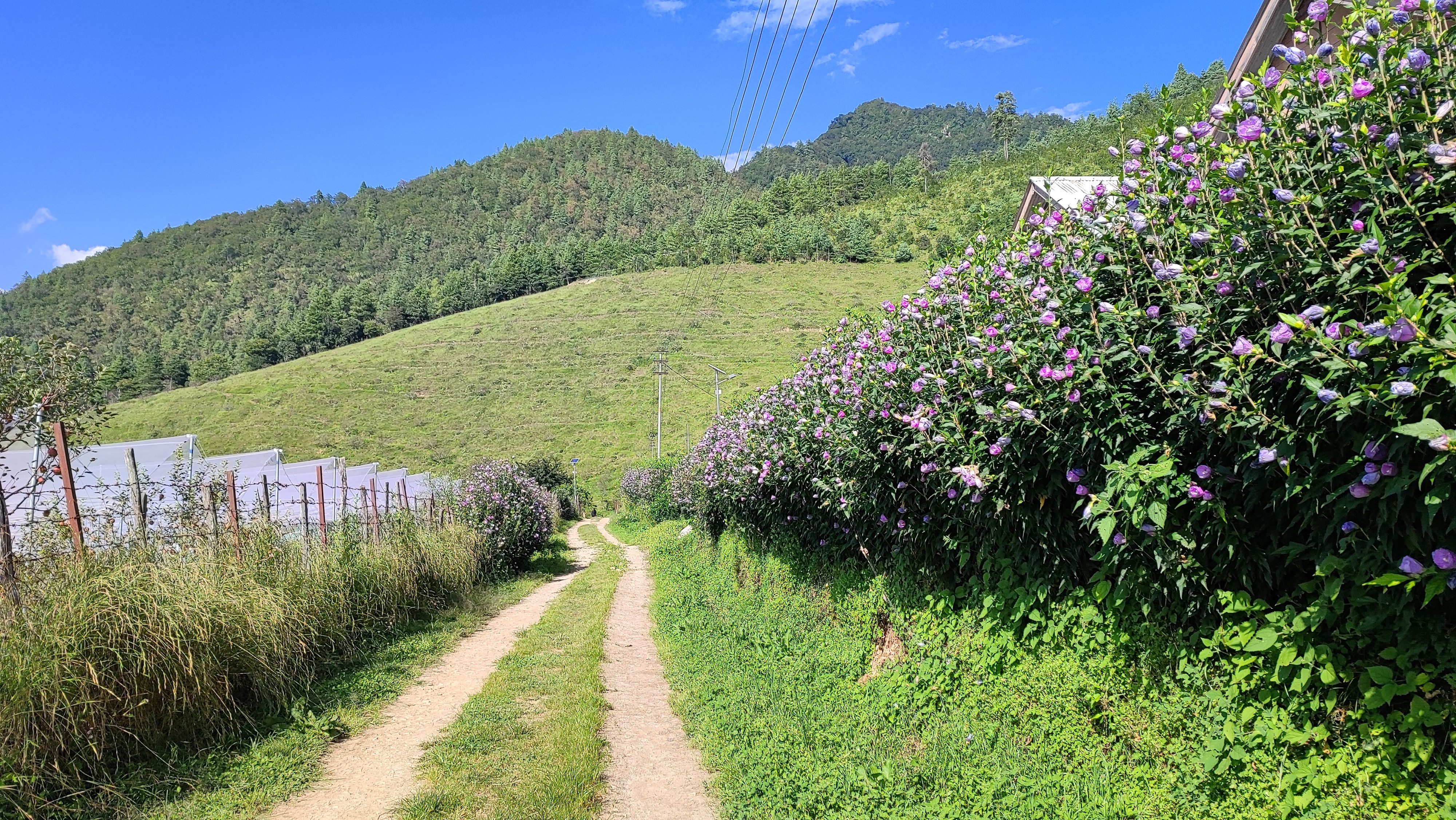
- Village Terrain: The valley floor is gentle and undulating, featuring paved walking paths and flat dirt trails through apple orchards and river pebble banks.
- Altitude Adaptation: Perched at 1,980 meters (6,500 feet), Shergaon provides comfortable atmospheric pressure. It serves as an ideal intermediate acclimatization waypoint before ascending higher to Sela Pass (4,170 m) and Tawang (3,048 m).
- Choskorong Waterfall Trail: An easy-to-moderate 45-minute forest walk over rustic bamboo footbridges and dirt steps suitable for anyone with basic mobility.
- Eaglenest Excursions: Birdwatching in Eaglenest Wildlife Sanctuary involves slow-paced forest road walks and jeep safaris, requiring minimal physical exertion.
Local Culinary Traditions & Food
Authentic indigenous gastronomy, tribal flavours, and culinary culture in Shergaon
The traditional food culture of the Sherdukpen people in Shergaon is wholesome, organic, and deeply connected to mountain agriculture, foraging, and open-hearth cooking:
- Hakhazi: A celebrated traditional Sherdukpen festive staple made by cooking local upland rice together with fresh wild mountain leafy greens (sag), creating an aromatic, earthy dish served warm from the pot.
- Chamin: The quintessential Sherdukpen condiment—a spicy, savory dipping chutney made by blending crumbled fermented cheese (Churpi) with fiery bird's-eye chilies, ginger, and wild mountain Sichuan pepper.
- Khuzi (Buckwheat Flatbread): Traditional pan-toasted flatbreads made from locally harvested stone-ground buckwheat flour, paired with vegetable broths, wild mushrooms, and melted butter.
- Smoked Pork with Bamboo Shoot: Succulent local pork cured on timber racks above the kitchen woodfire hearth, simmered slowly with tender mountain bamboo shoots, fresh ginger, and wild herbs without heavy commercial oils.
- Chuskar Mountain Trout: Fresh cold-water Himalayan trout farmed in spring-fed pools at the historic 1979 hatchery, prepared pan-fried with salt and local herbs or simmered in a delicate ginger broth.
- Amsing & Kakum: Traditional dried fruits prepared by local families from surplus seasonal apples and persimmons, historically carried on trans-Himalayan trade journeys and offered during festive ceremonies.
- Suja (Butter Tea): Rich, warming salted tea churned with fresh butter and local tea leaves, served continuously around the family hearth.
- Apong & Rokshi: Traditional artisanal fermented beverages brewed from organic millet, rice, or barley, shared during community celebrations.
Combine Shergaon With
Extend your trip with nearby destinations
Travel Guides
Expert guides for Shergaon
Reviews
"Nezo Tours organized our fantastic trip. The team was attentive and flexible, accommodating last-minute changes to suit our needs."
Yamini Peter
Mumbai, Maharashtra
"We got the best service than expected. The guide was very friendly and very very helpful, throughout our journey he guided us."
Ammiel Shabong
Shillong, Meghalaya
"Service was excellent. Prices were the best compared to those offered by others. All in all a satisfying experience. Definitely recommended."
Pradeep Agarwal
Delhi, India
PLAN YOUR TRIP
FAQs
Can't find the answer you're looking for? Our expert travel team is always on hand to help you plan the perfect Shergaon experience.
Ready to Explore Shergaon?
Let our local experts help you plan the perfect trip. Get personalized recommendations and instant quotes.