
Dzuleke (Dzüleke)
Updated 2026The Subterranean River Sanctuary & Rotational Eco-Haven
| Category | Detail |
|---|---|
| Altitude / Elevation | 2,130 m (6,988 ft) |
| Atm Availability | No ATMs (Nearest in Kohima, 40 km) |
| Best Time to Visit | October to April |
| Community Fee | ₹50 (Indian) / ₹100 (Foreigner) village eco-entry fee |
| Coordinates | 25.621° N, 93.956° E |
| Drive From Dimapur | 110 km (4.5–5.5 hours via NH29) |
| Drive From Kohima | 40 km (2–2.5 hours via Khonoma) |
| Permit Requirement | Yes (Inner Line Permit for Nagaland) |
| Mobile Network | No network / Spotty BSNL on high ridges only |
| Rainfall | 2,000–2,400 mm annually (Monsoon: Jun–Sep) |
| Temperature Range | 4°C to 22°C |
Dzuleke (Dzüleke) is an Angami Naga eco-tourism village in Kohima District, Nagaland, situated at an altitude of 2,130 meters (6,988 feet) above sea level. Located 40 km west of Kohima via Khonoma, it is renowned for its subterranean river system, community-managed rotational homestays, and 100% hunting-free conservation forests.
The crisp mountain air carries the sharp aroma of damp alder bark, crushed mountain ginger, and aromatic wood smoke drifting from stone hearths across terraced wet-rice valleys. Below porous basalt boulders, the rhythmic subterranean gurgle of the Dzüleke River echoes underfoot, joined by the rare, flute-like dawn calls of Blyth's tragopans rising from the temperate pine forest canopy.
Inner Line Permit (ILP) is mandatory for all domestic Indian travelers visiting Nagaland (apply via ilp.nagaland.gov.in or DC Office). Foreign travelers require Foreigner Registration (FRO) within 24 hours of arrival. A nominal village eco-development fee (₹50 Indian / ₹100 Foreigner) is collected by the Dzuleke Eco-Tourism Board (DETB).
Geography, Topography & The Subterranean Stream
Dzuleke is tucked away in the secluded Western Angami highlands of Kohima District, positioned along the pristine northern spurs of the Barail Mountain Range at an altitude of 2,130 meters (6,988 feet) above sea level. The settlement occupies a tranquil alpine bowl framed by steep subtropical pine ridges, dense oak-rhododendron canopies, and sculpted agricultural terraces. What distinguishes Dzuleke geographically is its namesake waterway—the Dzüleke River (Dzü meaning water, and Leke or Lieke signifying underground in the Tenyidie Angami dialect). Originating from high-altitude glacial springs in the Barail hills, the river courses through the upper valley before plunging directly into porous subterranean karst crevices and underground rock channels near the village periphery. The stream flows beneath the earth with a distinct, muffled subterranean murmur before resurfacing crystal-clear several kilometers downstream in the lower gorge.
Indigenous Angami Heritage & The DETB Conservation Model
The village is home to the indigenous Angami Naga community, bound by ancestral customary laws, clan brotherhood (khels), and deep ecological stewardship. In 1999, facing the rapid decline of regional wildlife and ancient timber, village elders took a historic, unanimous decision to enact a 100% ban on hunting, bird trapping, and commercial tree felling across their entire 30 sq km community forest territory. To replace hunting-based livelihoods with sustainable economic avenues, the community partnered with the Northeast Initiative Development Agency (NEIDA)—an associate organisation of Tata Trusts—and civil society advocates from the North East Network (NEN) to establish the Dzuleke Eco-Tourism Board (DETB). Today, community forest guards regularly patrol the sanctuary, protecting endangered species such as Nagaland's state bird, the Blyth's Tragopan (Tragopan blythii), Himalayan black bears, barking deer (Muntiacus muntjak), and stump-tailed macaques.
The Rotational Homestay System & Community Equity
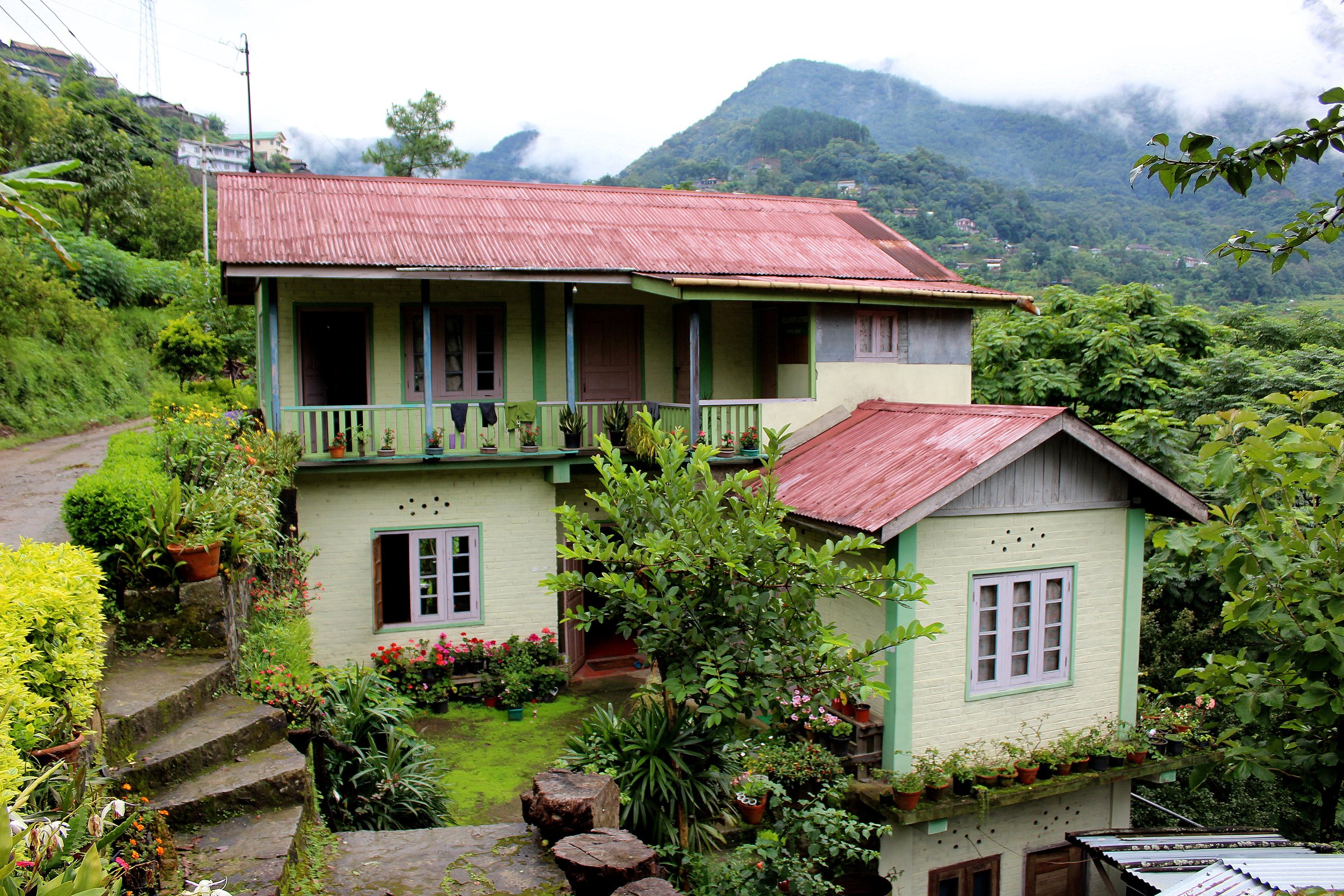
Unlike commercial tourism destinations where outside developers or affluent individuals monopolize hospitality profits, Dzuleke operates on a pioneering anti-monopoly rotational homestay model. Visitors cannot book private homestays individually; instead, the centralized DETB assigns incoming travelers to registered village households following a strict, equitable rotating queue. This guarantees that every participating family—regardless of location within the village or digital savvy—receives an equal share of tourism livelihood. Furthermore, 10% of all tourism revenue generated from accommodations, guide services, and village entry fees is channeled directly into the Dzüleke Development Fund. This collective fund finances local school scholarships, emergency healthcare aid, and community infrastructure maintenance. Guests stay in traditional wooden eco-lodges featuring cozy timber bedrooms, warm hand-woven blankets, and bucket hot water heated over central firewood hearths.
Alder Agroforestry, Terraced Wet-Rice & Mithun Husbandry
Dzuleke's agrarian landscape represents a triumph of indigenous ecological engineering. Long before modern agroforestry concepts emerged, the Angami perfected the cultivation of the Himalayan Alder (Alnus nepalensis). These native trees possess nitrogen-fixing root nodules that naturally replenish mountain soil fertility without synthetic chemicals. Farmers practice cyclical pollarding—pruning branches at a five-foot height every few years—which yields sustainable firewood and nutrient-rich mulch while allowing the tree to live for centuries. On the valley floor, gravity-fed spring aqueducts irrigate centuries-old wet-paddy terraces (Pani Kheti) producing indigenous sticky red rice (Ruodi). In the surrounding hills, farmers cultivate high-value cash crops including large cardamom (Amomum subulatum), wild mountain ginger, garlic, and Naga Tree Tomatoes (Tamarillos). In the deep community forests, semi-wild herds of Mithun (Bos frontalis)—the revered bovine symbol of Naga prestige and social wealth—roam freely without barbed-wire confinement, rounded up periodically by village clans.
Forest Trails, Blyth's Tragopan & Mountain Trekking Routes
Dzuleke is an exceptional base for wilderness trekking and birdwatching. The historic 18 km Khonoma-to-Dzuleke Bridle Trail traces the old British bridle path through moss-laden oak, bamboo thickets, and blooming rhododendron groves, offering sightings of vibrant Chestnut Buntings (Emberiza rutila), Kalij pheasants, and Great Barbets. Another dramatic route is the Barail Cross-Ridge Trail, which ascends through primary montane rainforest towards Benreu Village at the foothills of Mount Pauna (Nagaland's third-highest peak at 2,478 m). For wildlife enthusiasts, local DETB elders lead guided Mithun Tracking Walks, teaching visitors how to identify forest animal tracks, medicinal herbs, and edible wild mushrooms along virgin riverbanks.
Local Food Culture & Traditional Angami Cuisine
Dining in Dzuleke is an intimate, hearth-centered cultural ritual. Without commercial restaurants or street food stalls, every meal is prepared fresh by host families over indoor woodfire chulhas using ingredients harvested hours earlier from family gardens and community forests. The cornerstone dish is Galho—a fragrant, comforting rice porridge simmered with indigenous wild greens, ginger, mountain herbs, and savory smoked pork or seasoned lard. Other signature preparations include wood-smoked pork braised with pungent Axone (fermented soybean cakes) and fiery Naga King Chilli (Bhut Jolokia), clear broths flavored with Bastenga (fermented shredded bamboo shoot), and mashed tree tomato chutneys. Vegetarian and vegan travelers are warmly welcomed and treated to a bounty of freshly steamed squash, wild fiddlehead ferns, stinging nettle broth (dzükhu), and organic valley pulses.
How to Reach & Transit Logistics
Dzuleke is located 40 km west of Kohima and 110 km from Dimapur. The primary transit gateway is Dimapur Airport (DMU) and Dimapur Railway Station, which offer broad-gauge train connectivity to Guwahati, Kolkata, and New Delhi, as well as scheduled flights. From Dimapur, travelers proceed along National Highway 29 through the Chumukedima gorge to Kohima (74 km, 3 hours). From Kohima, the route winds west past Khonoma Green Village (20 km, paved but narrow, 45–60 minutes), transitioning into an unpaved, gravel and dirt forest mountain track for the final 18–20 km into Dzuleke (1.0 to 1.5 hours). A high ground clearance vehicle (Bolero, Scorpio, Gypsy) is strongly advised throughout the year, with a 4x4 vehicle essential during the heavy monsoon months (June to September). No regular public buses service this forest road; visitors must hire a private cab from Kohima or coordinate a vehicle pickup through the DETB.
Practical Travel Guide (The Honest Guide)
Traveling to Dzuleke requires realistic preparation for an authentic, off-grid mountain lifestyle. First, the village is a complete digital detox: Airtel and Jio have zero mobile reception inside the valley bowl, and homestays do not have Wi-Fi (a faint BSNL 2G voice signal is occasionally reachable on high ridge overlooks). Second, there are absolutely NO ATMs in Dzuleke or neighboring Khonoma; digital UPI payments do not function without cellular data, making it mandatory to withdraw sufficient physical cash in Kohima for all lodging, guide fees, and transportation. Third, Inner Line Permits (ILP) are legally mandatory for all domestic Indian visitors entering Nagaland (obtainable online at ilp.nagaland.gov.in), while foreign travelers must register with the Foreigners Registration Officer (FRO) in Kohima or Dimapur within 24 hours of arrival. Finally, the DETB collects a nominal village eco-development fee (₹50 Indian / ₹100 Foreigner) at the entry kiosk, and electricity is subject to rural load shedding—pack a reliable high-capacity power bank and a sturdy headlamp for unlit stone village lanes at night.
Dzuleke is part of the breathtaking Northeast India region, known for its pristine natural beauty, rich tribal culture, and unique biodiversity.
TRAVEL PLANNING
Plan Your Visit
Essential guides to prepare for your trip
Itineraries & Trips
Curated 3-day, 5-day & 7-day trip routes
Places to Visit
Top waterfalls, viewpoints & landmarks
Best Time to Visit
When to go for the best experience
How to Reach
Flights, trains, taxis and road options
Where to Stay
Homestays, eco-lodges & resorts
Permits & Entry
Required documents and ILP pass guidance
Need a Custom Plan?
As Northeast India locals, we work directly with our trusted community drivers and homestay hosts.
Talk to an ExpertTOP ATTRACTIONS
Places to Visit in Dzuleke
Must-see attractions and hidden gems across Dzuleke
How Many Days in Dzuleke?
Plan your own route — or let us handle everything
Things to Do in Dzuleke
Curated experiences and activities across Dzuleke by local experts
Where to Stay in Dzuleke
Verified stays in Dzuleke with local character
Getting Around
Safe, reliable transfers and car hire in Dzuleke
Practical Travel Realities & Local Tips
Terrain, ground rules, and essential preparation for Dzuleke
Dzuleke is classified as an Easy to Moderate offbeat eco-destination. While the village itself is compact and accessible on foot, the mountainous terrain and remote infrastructure require basic physical preparedness.
Village Exploration (Easy)
Walking through the village requires navigating hand-laid stone pathways, gentle hillside staircases, and dirt lanes connecting clan sectors (*khels*). Most attractions within the village perimeter—including the Dahu stone council circle, traditional Morung pavilion, and community trout streams—are within a 10 to 20-minute walk.
Forest & Ridge Trails (Moderate)
Trails extending into the community conservation forest, such as the Khonoma-Dzuleke Bridle Trail (18 km) or the Mithun Grazing Forest Route (6–8 km), involve moderate elevation gains (climbing from 1,790 m to 2,200 m), narrow dirt footpaths, and uneven roots. Sturdy hiking shoes with ankle support are recommended.
Altitude & Acclimatization
Sitting at an altitude of 2,130 meters (6,988 feet), Dzuleke has crisp, oxygen-rich mountain air. Acute mountain sickness (AMS) is extremely rare, but travelers arriving directly from coastal plains may experience mild shortness of breath on steep stone ascents during their first afternoon.
Local Culinary Traditions & Food
Authentic indigenous gastronomy, tribal flavours, and culinary culture in Dzuleke
Dining in Dzuleke is an organic, farm-to-hearth culinary journey. Because there are no commercial restaurants, all meals are prepared fresh by host families over indoor woodfire hearths (*chulhas*), using ingredients harvested daily from terraced paddy fields, home gardens, and surrounding temperate forests.
Signature Angami Specialties
- Galho: The quintessential Naga comfort dish—a wholesome, savory porridge cooked with indigenous red rice, seasonal wild greens, crushed mountain ginger, and a touch of smoked pork or seasoned lard. Vegetarian variants prepared with bamboo shoot and local herbs are equally hearty.
- Smoked Pork with Axone (Akhuni): Tender strips of woodfire-smoked pork slow-cooked with pungent fermented soybean paste (*axone*), dried Naga King Chillies (*Bhut Jolokia*), and indigenous mountain spices.
- Bastenga (Fermented Bamboo Shoot) Broth: Freshly harvested or naturally fermented bamboo shoot cooked with local river herbs, smoked freshwater fish, or country chicken, producing a tart and invigorating clear broth.
- Naga Tree Tomato (Tamarillo) Chutney: Roasted tree tomatoes mashed with roasted king chillies, garlic, and fresh coriander, served as a fiery accompaniment to every meal.
- Indigenous Mountain Greens: Boiled stinging nettles (*dzükhu*), wild fiddlehead ferns, mustard greens, and pennywort leaves seasoned lightly with salt and green chillies.
- Sticky Red Rice (Ruodi): Unpolished, highly nutritious heirloom rice cultivated on ancient gravity-fed terraces along the valley floor.
Vegetarian & Dietary Notes
While meat is central to traditional Naga cuisine, Dzuleke homestay hosts warmly accommodate vegetarians and vegans with advance notice. The abundance of fresh organic vegetables, wild tubers, mushrooms, and lentils ensures delicious, completely meat-free dining.
Combine Dzuleke With
Extend your trip with nearby destinations
Travel Guides
Expert guides for Dzuleke
Reviews
"Nezo Tours organized our fantastic trip. The team was attentive and flexible, accommodating last-minute changes to suit our needs."
Yamini Peter
Mumbai, Maharashtra
"We got the best service than expected. The guide was very friendly and very very helpful, throughout our journey he guided us."
Ammiel Shabong
Shillong, Meghalaya
"Service was excellent. Prices were the best compared to those offered by others. All in all a satisfying experience. Definitely recommended."
Pradeep Agarwal
Delhi, India
PLAN YOUR TRIP
FAQs
Can't find the answer you're looking for? Our expert travel team is always on hand to help you plan the perfect Dzuleke experience.
Ready to Explore Dzuleke?
Let our local experts help you plan the perfect trip. Get personalized recommendations and instant quotes.