
Elephant Falls
"Three-tiered cascade of Ka Kshaid Lai Pateng Khohsiew."
Elephant Falls (originally known in the local Khasi language as Ka Kshaid Lai Pateng Khohsiew) is a prominent three-tiered waterfall located in Upper Shillong, East Khasi Hills District, Meghalaya, at an altitude of 1,500 meters above sea level. Situated approximately 12 kilometers from the Shillong city center, this iconic natural attraction is famous for its successive cascades flowing over moss-covered basalt rock terraces, and stands as one of the most visited and accessible waterfalls in Northeast India.
Standing in the Mist
A descent into the ravine of Elephant Falls is a sensory immersion into Meghalaya's humid wilderness. As you descend the stone stairs, the gentle babble of the upper stream turns into a thunderous roar. The air grows cooler and thick with a fine, refreshing mist that drifts off the plunge pools, dusting the surrounding ferns and dark stone walls. The heavy scent of moss, wet earth, and damp pine needles fills the air, creating a serene, cloistered atmosphere that feels miles away from the nearby highway.
Geology, Hydrology, and the 1897 Earthquake
Geologically, the waterfall is a step-like profile carved into the ancient Precambrian metamorphic rocks of the Shillong Group. The flow is fed by a small mountain stream originating from the Upper Shillong forest reserve, cascading over three distinct vertical ledges of hard, resistant rock. During the British administration, the falls were named "Elephant Falls" after a giant rock near the bottom tier that resembled a crouching elephant. However, in 1897, the catastrophic Great Assam Earthquake (magnitude 8.2 to 8.7) struck the region, collapsing the massive rock formation. Though the stone elephant is gone, the name endures, serving as a monument to the region's powerful seismic history.
Ka Kshaid Lai Pateng Khohsiew: The Three Tiers
In the native Khasi tongue, the waterfall's name translates to "The Three-Step Waterfall," referencing its clear structure:
- The First Tier: A broad cascade hidden behind lush pine trees and thick ferns near the entrance gate.
- The Second Tier: A quieter, narrower stream that flows over flat stone slabs, creating small rock pools.
- The Third Tier: The grand finale, where the mountain stream plunges vertically over a sheer cliff into a wide, clear pool, surrounded by high rock walls carpeted in deep green mosses.
Trek & Access Details
Reaching all three levels of the falls requires walking down a well-maintained concrete staircase of approximately 120 steps. While the first tier is accessible via a flat path near the ticket counter, the descent to the second and third tiers is steep and narrow. Handrails are provided along the entire route, but the spray from the waterfalls keeps the concrete steps perpetually wet. The climb back up to the entrance is moderately tiring, requiring a basic level of fitness and caution, particularly for those with knee concerns.
What NOT to Expect
Do not expect a wild, isolated forest waterfall. Elephant Falls is a highly developed, popular destination equipped with concrete pathways, safety railings, souvenir stalls, and a bustling local market at the gate. To preserve the water purity and ensure visitor safety, swimming and wading in the plunge pools are strictly prohibited. It is a commercialized stop that focuses on accessibility and family sightseeing rather than backcountry adventure.
Photography Guide
Photographers will find the third tier to be the most rewarding spot. A wooden bridge built directly across the bottom pool provides the perfect head-on angle for capturing the full plunge of the third cascade. To capture a silky-water effect, use a tripod, a slow shutter speed of 0.5 to 2 seconds, and a neutral density filter. The heavy mist at the bottom will continuously coat your lens, so carry a dry microfiber cloth to wipe it clean between shots.
When Is the Best Time to Visit Elephant Falls?
Water levels and the surrounding landscape change dramatically throughout the year:
- June to September (Monsoon Season): The falls are at their peak volume, turning into a roaring, mud-brown torrent. The mist is intense, and the spray is strong enough to soak visitors on the viewing bridge.
- October to November (Post-Monsoon): The best time for visits, as the skies clear and the water remains high, flowing crystal-clear against lush green rock walls.
- December to April (Dry Season): The water volume decreases significantly, reducing the cascades to gentle, clear trickles. While less dramatic, this season offers the safest walking conditions and clear pool beds.
Getting There
The waterfall is located in Upper Shillong, just off the National Highway 6 leading toward Cherrapunji. It is about a 30-minute drive from Shillong's Police Bazaar. Local cabs and tourist vehicles are readily available for hire.
Explore this beautiful cascade on our Magical Meghalaya 7-Day Tour or read our Shillong destination guide to plan your trip.
Insider Tips
- Arrive early: Visit between 9:00 AM and 10:00 AM to enjoy the cascades in peace before the tourist buses and school groups arrive.
- Dress in traditional Khasi attire: Near the entrance, local operators rent out traditional Khasi garments (Jainsem for women and Ryndia for men) for a small fee, which makes for a memorable photo against the falls.
- Wear slip-resistant shoes: The concrete steps leading to the bottom tiers are constantly damp from waterfall spray and can be very slick.
- Try local pineapples: Stalls at the entrance sell fresh, sweet Shillong pineapples sprinkled with chili powder and salt—a classic local snack.
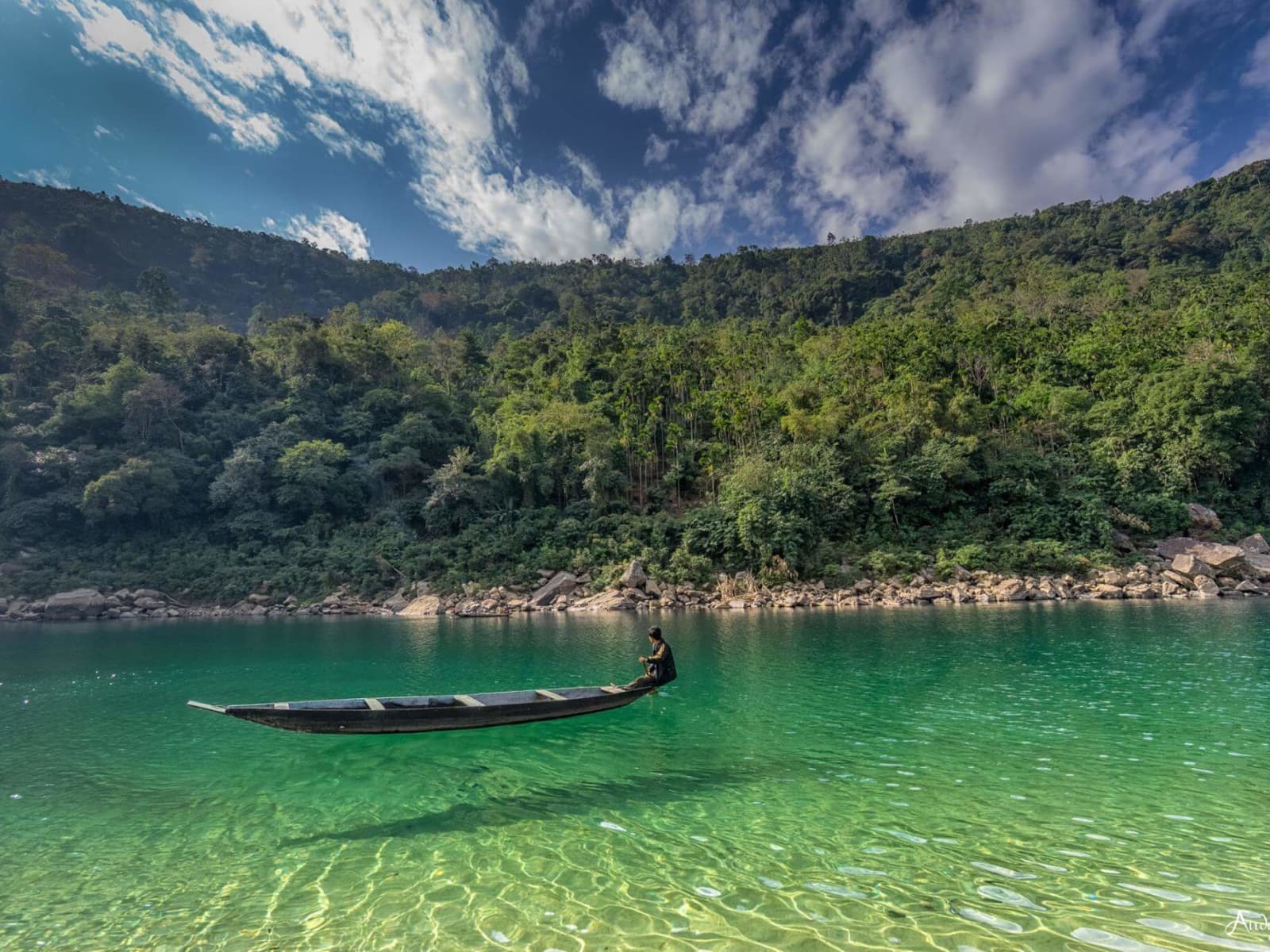
7-Day Meghalaya Tour Package: Shillong, Cherrapunji, Dawki & Mawphlang
Highlands, Living Root Bridges & Clear Waters
Visitor & Booking Protocol
Permit & Entry Check
No special state permit required for Indian citizens. Keep government photo ID ready at entrance.
Tickets & Cash Protocol
Entry desk is managed on-site. Carry small cash denominations (₹20, ₹50, ₹100) for entry and parking.
Certified Guide Desk
Authorized village community guides can be hired at the entry registration desk. Certified guide rates range between ₹800–₹1,500 depending on circuit and trail duration.
Timing & Departure Cutoff
Arrive during early morning hours (08:00–10:30 AM). Mountain trails, caves, and viewpoints generally stop inbound entry by 15:30 to ensure safe return before mountain dark.
Safety & Rules
- • No swimming or wading: Entering the pools at any level is strictly prohibited to prevent accidents and maintain water cleanliness.
- • Stay on paved paths: Do not climb over the concrete safety railings or step onto the wet rock faces.
- • No littering: Elephant Falls is a plastic-free zone. Dispose of trash only in designated bamboo bins or carry it back with you.
- • Watch for low clearances: Some sections of the staircase pass under low-hanging rock branches and overhangs; mind your head during the descent.
Frequently Asked Questions
Best Time to Visit
Best time of day: Morning
Visitor Specs
Best visited during morning hours to beat the tourist rush and catch the best sunlight framing.
How to Reach
Altitude & Terrain
1,500m (4,920 ft)
7-Day Meghalaya Tour Package: Shillong, Cherrapunji, Dawki & Mawphlang
Highlands, Living Root Bridges & Clear Waters
Location
Lng: 91.821000
Plan Your Trip to Shillong with Nezo
Combine Elephant Falls with living tribal heritage, scenic mountain vistas, and handpicked local stays on a private guided journey.